
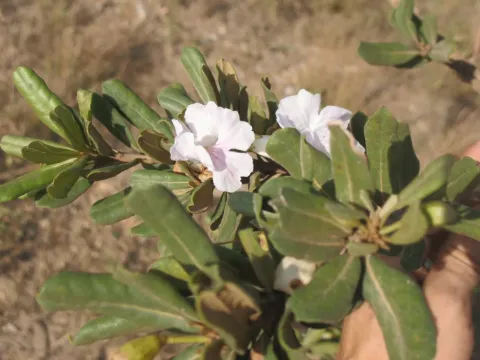
Tabebuia lepidophylla
Tabebuia lepidophylla
Tabebuia lepidophylla is a unique plant species belonging to the Bignoniaceae family. It is native to the tropical ecosystems of Cuba, where it has adapted to specific light and heat conditions.
What the section contains
Tabebuia lepidophylla
This species requires a warm climate and is strictly non-frost hardy. In agricultural or ornamental practice, it is often kept in climate-controlled environments or pots to protect it from cold spells.
Soil requirements focus heavily on drainage; the species thrives in well-aerated, rocky, or sandy substrates. Stagnant water is detrimental, as it inhibits root respiration and encourages decay.
The plant demonstrates high light requirements. Exposure to full, direct sunlight for the majority of the day is necessary to maintain its compact form and ensure the production of its characteristic blooms.
Agrotechnical practices involve a consistent, controlled fertilization schedule. Since the plant is used to nutrient-deficient soils in its natural range, excessive nitrogen should be avoided to prevent overgrowth at the expense of floral development.
The most significant threats to the health of Tabebuia lepidophylla include scale insects and mealybugs. These pests attach themselves to the stems, causing significant stress and potentially promoting sooty mold growth.
Fungal pathogens represent another risk, specifically those affecting the foliage under high humidity. Ensuring proper spacing between plants and good air circulation is essential for disease prevention.
Root rot is the most common physiological disorder caused by improper irrigation. Once the root system is compromised, the tree may show signs of wilting or leaf drop even if water is present.
Spider mites are frequently encountered when the plant is kept in dry, indoor conditions. Controlling these pests requires maintaining humidity levels or using appropriate horticultural soaps and miticides.
Effective management requires a proactive approach, including regular inspections of leaf undersides and the base of the trunk for early signs of infestation or fungal damage.