
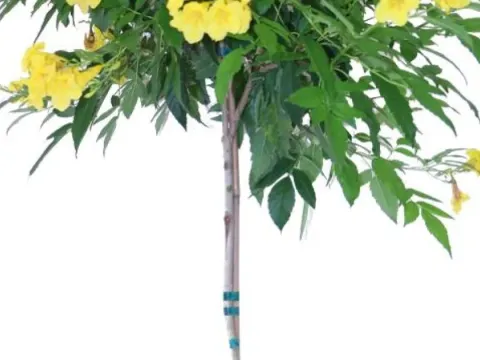
Tecoma
Tecoma
Tecoma propagation is primarily achieved through seeds or stem cuttings. Seeds should be sown in spring into a light, well-draining substrate while maintaining temperatures around 20–22 degrees Celsius.
What the section contains


Tecoma
During germination, it is crucial to keep the soil moderately moist, as excessive water can lead to fungal rots. Seedlings typically emerge within 2 to 4 weeks after sowing.
Cuttings are often preferred for maintaining specific cultivar traits. Semi-hardwood cuttings should be taken during the summer and rooted in a peat-sand mix under plastic cover to ensure humidity.
Once a healthy root system has developed, young plants should be transplanted into individual pots. In climates with mild winters, they can be moved to the open ground after reaching two years of age.
The ideal time for transplanting Tecoma to its permanent location is late spring, once all risks of frost have passed, as cold temperatures can severely damage young leaves.
Tecoma is a genus of woody plants in the Bignoniaceae family, consisting of various shrubs and small trees. The plants are native to the tropical and subtropical regions of the Americas.
The species has significant sunlight requirements. To ensure abundant flowering and the development of strong, sturdy branches, the plant requires direct sunlight for the majority of the day.
The soil requirements are relatively moderate, though the plant performs best in loose, well-drained soils with a neutral to slightly acidic pH. Waterlogging is detrimental to the plant's health.
Tecoma prefers a warm climate. As it is frost-sensitive, it is often grown as a container plant in temperate regions, allowing for winter protection in a greenhouse or indoor environment.
Regular fertilization with balanced mineral nutrients during the growing season significantly enhances the aesthetic appeal and duration of the blooming period, promoting continuous flower production.
Common pests affecting Tecoma include aphids and spider mites, which frequently target young foliage and stems, especially in conditions where the air is dry.
Control measures involve the use of systemic insecticides and acaricides. Regular monitoring of the plants is essential to catch infestations early and prevent their rapid spread across the foliage.
Excessive irrigation or poor soil drainage often leads to root rot caused by soil-borne pathogens. This condition is typically identified by yellowing leaves and drooping, eventually leading to plant death.
In greenhouses or indoor environments with limited airflow, plants may develop powdery mildew. Prevention focuses on maintaining proper plant spacing and ensuring good air circulation.
Strict adherence to cultural practices, including consistent but moderate watering and clean sanitation of the growing area, is the primary key to maintaining a healthy Tecoma specimen.
In horticultural production, the harvest is represented by the intensity and longevity of the flowering phase. Mature specimens can produce flowers almost continuously throughout the warm season.
To maintain an aesthetic appearance and encourage repeat blooming, gardeners should remove spent flower clusters. This process prevents seed pod formation and redirects energy toward new buds.
Sanitary pruning is conducted in early spring before the onset of active growth. Removing damaged, dead, or crowded branches improves light penetration and airflow within the shrub's canopy.
When incorporating Tecoma into landscape design, growth control is vital due to the plant's vigorous nature. Training and shaping help define the desired form of the plant as a tree or bush.
Proper maintenance ensures that the plant retains its decorative value for many years, serving as a striking focal point in various garden and landscape settings.