
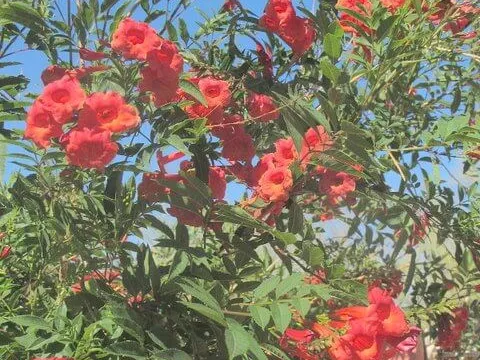
Tecoma alata
Tecoma alata
Tecoma alata, a member of the Bignoniaceae family, is a vigorous evergreen shrub recognized for its vibrant orange-red, trumpet-shaped flowers. It originates from tropical regions and is widely used in landscape design for its long flowering period and aesthetic appeal.
What the section contains
Tecoma alata
The plant thrives in full sun exposure, which is crucial for maximizing flower production. In cooler climates, it must be grown in containers to allow for indoor protection during winter months, as the species is highly sensitive to frost and freezing temperatures.
Regarding soil requirements, Tecoma alata prefers well-draining, nutrient-rich soil with a slightly acidic to neutral pH level. Proper aeration is essential, as heavy soils that retain too much water can lead to root suffocation and eventual decline.
Watering practices should be consistent during the active growing season, ensuring the soil remains moist but never waterlogged. As the plant enters dormancy, the irrigation frequency should be reduced significantly to allow the soil to dry out between waterings.
Maintenance involves regular pruning to control size and encourage branching. By trimming back the stems after the main flowering flush, gardeners can ensure a denser habit and more prolific blooms for the following season, enhancing the plant's overall vigor.
Spider mites are a common pest problem, especially in dry and warm conditions inside greenhouses. These pests feed on the underside of leaves, causing chlorosis and a dusty appearance, which can be mitigated by increasing humidity and using miticides.
Aphids tend to cluster on soft, new growth, draining the plant's energy and secreting honeydew that encourages sooty mold. Regular inspections and early intervention with insecticidal soaps are highly effective in managing these infestations.
Whiteflies can pose a significant challenge in enclosed environments, requiring a systematic approach with sticky traps and biological control agents to manage their population effectively without harming the plant.
Fungal issues such as leaf spot and root rot occur predominantly in poorly ventilated or excessively damp environments. Improving airflow around the foliage and utilizing a porous, fast-draining potting medium are primary defense strategies against these pathogens.
A balanced fertilization program supports plant health and increases resistance to pests. Avoid over-fertilizing with high-nitrogen products, as this promotes succulent growth that is more attractive to chewing and sucking insects.