
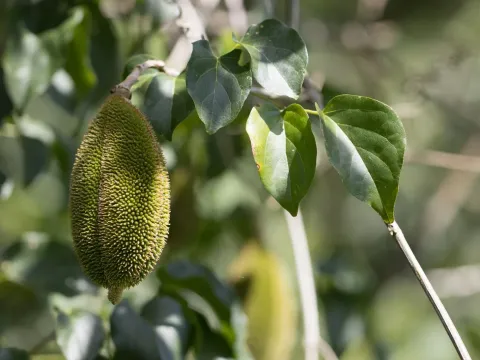
Pithecoctenium muricatum
Pithecoctenium muricatum
Pithecoctenium muricatum, commonly known as monkey comb, is a woody vine belonging to the Bignoniaceae family. It is native to the tropical regions of Mexico and Central America, where it thrives in warm and humid forest environments.
What the section contains
Pithecoctenium muricatum
The plant requires full sun to partial shade for optimal growth. Providing a sturdy support structure is essential, as the vine uses specialized tendrils to climb vertically. In a controlled agricultural setting, trellis systems are typically employed to manage the plant's spread.
Soil requirements focus on high drainage and organic content. The plant performs best in well-draining loamy soils with a slightly acidic to neutral pH. It is highly sensitive to waterlogging, so soil aeration must be monitored carefully throughout the growing season.
Climate management is crucial for successful cultivation. The species is not frost-tolerant and requires temperatures consistently above 15 degrees Celsius. In non-tropical regions, it is often grown in greenhouses or as a seasonal ornamental plant in protected environments.
Consistent irrigation is required during the primary growth cycle. However, it is important to allow the soil to partially dry out between watering sessions to simulate the natural rhythms of its native habitat and to encourage a deeper, healthier root system.
Pithecoctenium muricatum is generally robust but can be susceptible to common greenhouse pests such as aphids and mealybugs. These insects can cluster on the underside of leaves and along tender new growth, significantly weakening the vine if left untreated.
Root rot remains the most significant physiological threat to the species. This usually occurs in heavy, poorly draining soils. To mitigate this risk, farmers often add perlite or coarse sand to the planting substrate to improve oxygen circulation in the root zone.