
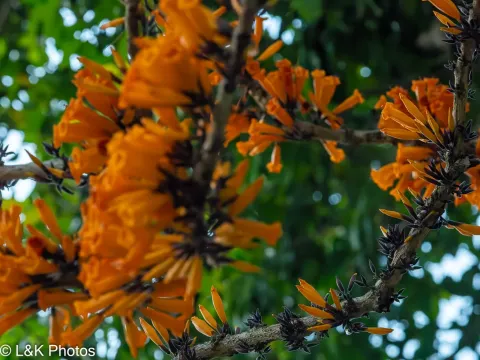
Radermachera
Radermachera
Radermachera is an evergreen shrub or tree belonging to the Bignoniaceae family. Native to the subtropical and tropical forests of East and Southeast Asia, this species has gained popularity as a decorative indoor plant due to its glossy, fern-like foliage.
What the section contains


Radermachera
The plant requires bright, indirect light to thrive. While it can adapt to lower light conditions, intense direct sunlight should be avoided as it can scorch the delicate leaves. Rotating the plant regularly ensures even foliage development.
Optimal growth occurs at temperatures between 20°C and 25°C. Radermachera is sensitive to sudden temperature shifts and cold drafts, which often lead to premature leaf drop or stress. Keeping a stable climate is essential for long-term health.
The ideal soil substrate for Radermachera should be nutrient-rich and well-draining. A mix of peat moss, perlite, and high-quality potting soil works best. Ensuring the container has adequate drainage holes is critical to prevent water accumulation at the roots.
Regular watering is necessary during the active growing season, keeping the soil lightly moist but not waterlogged. In winter, watering should be reduced as the plant enters a period of slower growth, allowing the surface to dry out between applications.
Spider mites are the most common pests encountered when growing Radermachera indoors. They are particularly attracted to environments with low humidity, where they damage the undersides of the leaves by feeding on plant sap.
Aphids and mealybugs can also infest the plant, usually appearing on new growth and leaf axils. Regular inspection of the foliage is recommended to catch these infestations before they spread to other parts of the plant.
Fungal issues, such as root rot, are typically caused by overwatering or poor soil aeration. If the roots remain in saturated soil for too long, they lose the ability to take up nutrients, leading to yellowing leaves and wilting.
Integrated pest management involves physical removal of insects using a damp cloth or soap solution, followed by the application of horticultural oils or insecticides if necessary. Always follow the manufacturer's safety guidelines.
Proper environmental management, such as maintaining good air circulation and appropriate humidity levels, remains the most effective defense against both biological pests and soil-borne diseases.