
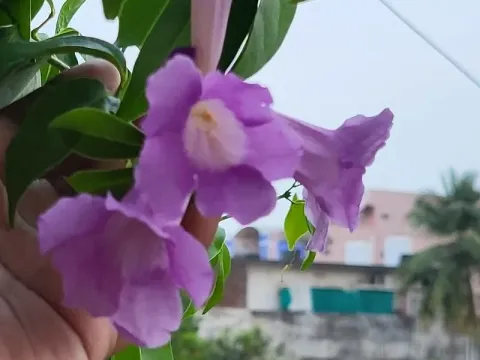
Pseudocalymma
Pseudocalymma
Pseudocalymma is a genus of woody vines belonging to the Bignoniaceae family. In their natural habitat, these plants are primarily found in the tropical forests of Central and South America.
What the section contains

Pseudocalymma
Biologically, the plant is a robust vine with lignified stems and complex opposite leaves. It utilizes specialized tendrils to climb and reach significant heights within dense forest canopies.
For successful growth, Pseudocalymma requires tropical climate conditions characterized by high humidity and consistently warm temperatures. The plant is extremely sensitive to frost and must be protected from cold winds during cooler periods.
The preferred soil conditions include well-drained, fertile substrates with a neutral or slightly acidic pH level. Waterlogging in the root zone is fatal to the plant, making a high-quality drainage layer essential for its cultivation.
The agricultural and economic use of Pseudocalymma is primarily focused on landscape design and vertical gardening in regions with suitable climates. While some parts of the plant are utilized in traditional medicine, its primary global value remains ornamental.
The most common pests for Pseudocalymma in indoor and outdoor settings include spider mites and scale insects. If humidity levels are not properly managed, plants may also become susceptible to mealybugs.
Regarding diseases, root rot caused by overwatering is a significant concern. Leaf spot, triggered by high humidity combined with poor air circulation, can also pose a serious threat to the health and vitality of the vine.