
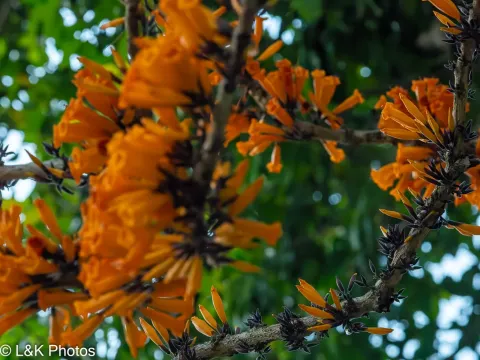
Radermachera
Radermachera Zoll. et Mor.
Radermachera is a genus of woody plants within the Bignoniaceae family. Native to the subtropical forests of Southeast Asia, particularly China and Taiwan, these plants are highly valued for their delicate, pinnate, glossy foliage.
What the section contains


Radermachera
The culture thrives in stable environmental conditions with temperatures ranging from 20°C to 25°C. Exposure to sudden temperature drops or cold drafts should be avoided at all costs, as these factors typically lead to rapid leaf drop and stress.
Bright, indirect light is essential for the healthy development of this plant. Direct sunlight, especially during mid-day, can cause significant damage to the leaves. Placement near east or west-facing windows is generally considered optimal.
A well-draining soil mix is critical for this species. A combination of peat-based substrate, leaf mold, and perlite or coarse sand provides the necessary aeration and moisture retention required for root health.
High air humidity is a key requirement for indoor cultivation. Regular misting, the use of pebble trays, or mechanical humidifiers are recommended, particularly during the winter months when indoor heating significantly dries the atmosphere.
Spider mites are the most common pests that affect Radermachera, especially when the indoor air is too dry. These pests thrive in low-humidity environments and can quickly cause the plant to lose its foliage.
Aphids and scale insects may also infest the plant, feeding on the nutrient-rich sap. Early detection is vital, and the application of appropriate horticultural soaps or systemic insecticides is necessary to control infestations.
Root rot is a major threat caused by overwatering or poor drainage. Symptoms include wilting and yellowing leaves. To prevent this, ensure that the pot has adequate drainage holes and allow the top layer of soil to dry before watering again.
Nutrient deficiencies, specifically nitrogen or iron, can cause chlorosis, where leaves turn pale yellow. Regular fertilization with a balanced liquid fertilizer during the growing season helps prevent such physiological issues.
Maintaining proper hygiene by cleaning the leaves and removing any dead plant material helps reduce the risk of secondary infections and pest outbreaks. Consistent monitoring is the best strategy for long-term health.