
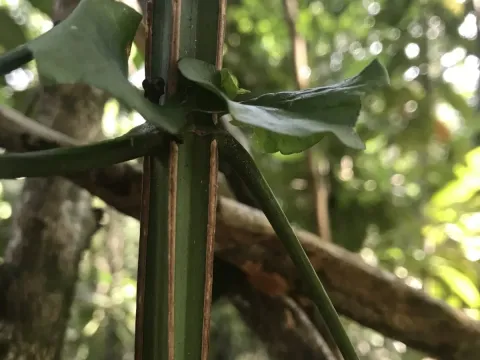
Pleonotoma
Pleonotoma
Pleonotoma is a genus of perennial woody vines belonging to the Bignoniaceae family. In their natural habitat, they propagate through seeds or vegetative methods, most commonly by cuttings during the spring season.
What the section contains
Pleonotoma
For successful seed germination, a substrate with high organic content and a drainage layer is essential. Sowing is recommended in greenhouses with a soil temperature maintained between 22 and 25 degrees Celsius.
Cuttings are considered the preferred method for maintaining the plant's specific cultivar traits. Semi-hardwood cuttings are planted in light, well-draining soil, ensuring high air humidity until rooting occurs.
The primary rooting process takes between three to five weeks, provided that root stimulants are utilized. Once initial growth appears, the seedlings are transplanted into individual containers for adaptation.
Planting in open ground is only possible after the threat of frost has passed, as the culture is extremely sensitive to low temperatures during the early stages of development.
Pleonotoma originates from the tropical regions of Central and South America; therefore, it prefers well-lit areas with light shading during the peak afternoon hours.
The soil for this crop must be fertile, with a neutral or slightly acidic pH level. It is vital to ensure good drainage to avoid moisture stagnation in the root system, which leads to the development of rot.
The plant requires regular watering, especially during periods of intensive vegetative growth. However, mature specimens show moderate resistance to short-term drought if the root system is well-developed.
For full development, Pleonotoma requires supports, as it is a typical vine equipped with tendrils. It is recommended to tie the shoots, directing their growth along pergolas, fences, or building walls.
In regions with cold winters, cultivation is only possible in greenhouses or as a container plant, which must be moved to a protected location when temperatures drop below ten degrees Celsius.
The primary threats to Pleonotoma are sap-sucking pests such as spider mites and scale insects, which proliferate rapidly in low-humidity conditions.
Excessive soil moisture often leads to the infection of roots by fungal pathogens, such as Fusarium or various root rots, which results in the wilting of the entire above-ground portion of the vine.
To control pests, the application of specialized insecticides and acaricides is effective. Regular inspection of the undersides of leaves allows for the timely detection of insect colonies.
Disease prevention consists of adhering to a proper watering schedule and ensuring high-quality air circulation around the plant. Avoid overcrowding plantings that prevent proper ventilation.
- Preventive fungicide treatment during periods of high humidity.
- Timely removal of damaged or dry stem fragments.
- Cleaning gardening tools to prevent the spread of infections.