
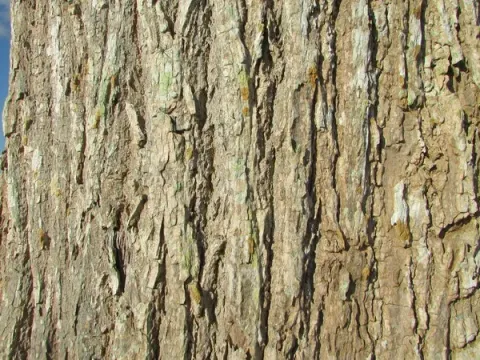
Paratecoma
Paratecoma
Paratecoma, represented by the species Paratecoma peroba, is a significant genus within the Bignoniaceae family, native to the Atlantic forests of Brazil. This majestic tree species plays a crucial role in the structural composition of the tropical ecosystem it inhabits.
What the section contains
Paratecoma
The climate requirements for Paratecoma are strictly tropical, demanding high levels of humidity and warm temperatures throughout the year. It does not tolerate prolonged frost or extreme temperature fluctuations, which can severely hinder the developmental stages of the seedlings.
Regarding soil preferences, this tree thrives in deep, well-drained, and nutrient-rich soils. Successful cultivation requires a site with a stable water table, as stagnant water poses a severe threat to the long-term health and stability of the root architecture of the plant.
Botanically, the tree is characterized by its massive trunk and dense, durable timber, which is known commercially as Peroba. The growth rate is relatively slow compared to other tropical species, reflecting the density and complexity of the cellular structure within the wood.
In terms of economic application, Paratecoma is highly sought after for its exceptional timber qualities. The wood is renowned for its durability, resistance to rot, and attractive grain pattern, making it a premium choice for high-end carpentry, fine furniture, and exterior architectural elements.
The primary threats facing this species include severe habitat loss and deforestation, which endanger the remaining populations. Additionally, young trees may be susceptible to localized fungal infections and pest attacks if the growing environment is not properly managed or if the plant suffers from mechanical injuries.