
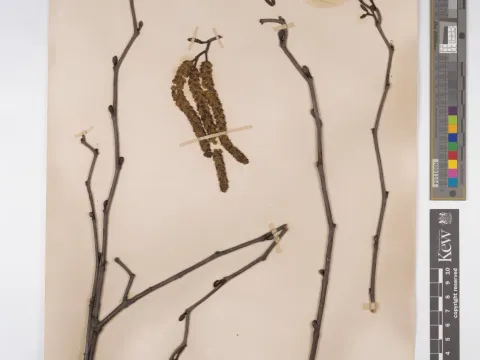
Ascherson alder
Alnus aschersoniana
Ascherson alder (Alnus aschersoniana) is a distinctive species within the Betulaceae family. It is recognized for its unique adaptation to riparian habitats and its significance in landscape restoration projects.
What the section contains
Ascherson alder
The tree thrives in moist, deep, and nutrient-rich soils. It requires consistent ground moisture and prefers sites that are not prone to extreme drought or prolonged seasonal flooding.
In terms of climate, it exhibits notable hardiness against cold temperatures. It is well-suited for temperate regions, provided the site offers protection from severe wind exposure during its establishment phase.
Agronomic management requires careful site selection. Ensuring adequate space for root expansion is critical, as the species relies on its lateral root system for stability and nutrient uptake.
Regular maintenance involves soil aeration around the root zone and protection against soil compaction, which is vital for the tree's long-term health and growth vigor.
The primary diseases affecting this alder species are leaf rusts and various types of powdery mildew, which can become prevalent in dense plantings with poor ventilation.
Insect pests such as alder beetles are known to cause significant damage to foliage. If left unmanaged, heavy infestations can severely inhibit the tree's growth and overall development.
Bark-boring insects present a more serious, long-term threat by compromising the integrity of the vascular system, which can eventually lead to limb dieback or tree mortality.
Environmental stress, particularly prolonged drought, makes the tree more susceptible to secondary pathogenic attacks, necessitating supplemental irrigation during heatwaves.
Effective management includes systematic monitoring, the removal of infected wood, and the application of integrated pest management strategies to maintain plantation health.