
Betula callosa
Betula callosa
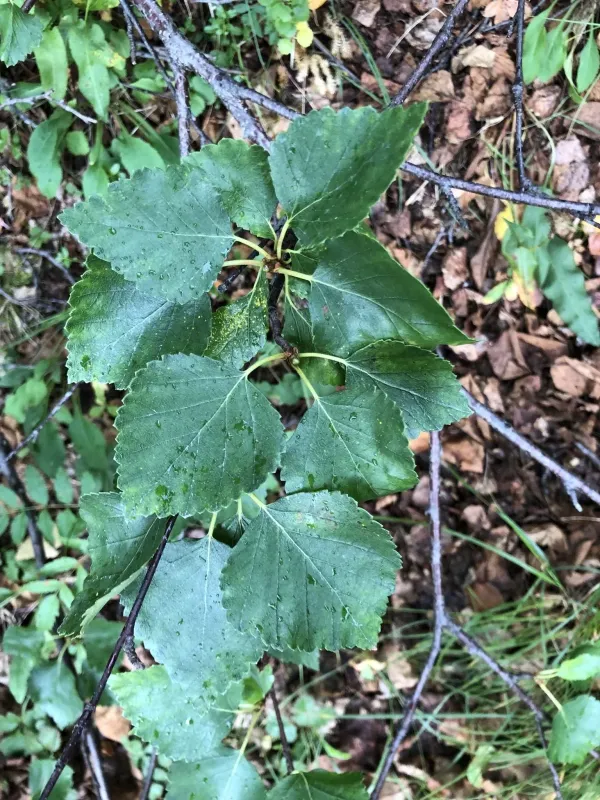
Description
Growing requirements
Betula callosa, commonly known as a species of birch, belongs to the Betulaceae family. It is primarily distributed across the subarctic and mountain regions, where it has adapted to cold, harsh environmental conditions.
This species thrives in well-drained but moist soils. It is frequently found on rocky substrates or acidic peatlands, demonstrating an impressive capacity to colonize challenging terrain where nutrient availability is limited.
As a light-demanding tree, Betula callosa requires open spaces to achieve its full growth potential. Shade competition can significantly stunt its development, especially during the early stages of the seedling lifecycle.
Agricultural and silvicultural management requires monitoring soil acidity and moisture levels. The species is highly frost-resistant, making it an essential ecological component of the northern boreal forest zones.
Botanically, it is distinguished by the unique lenticels on its bark, which serve as essential pathways for gas exchange in environments characterized by short growing seasons and lower temperatures.
Main diseases and pests
The primary fungal threats to this species include rust and various leaf spot diseases, which typically flourish when humidity levels remain high for extended periods of time.
Insect pests, such as leaf-rolling caterpillars and certain species of sawflies, can cause localized damage to the canopy, potentially reducing the overall photosynthetic capacity of the tree.
Winter damage caused by rodents, particularly in younger specimens, can compromise the integrity of the bark and invite secondary infections from wood-decaying fungi.
Boring insects represent a specific risk to stressed trees, as they can tunnel into the xylem, disrupting sap flow and weakening the structural integrity of the main trunk.
Effective management strategies emphasize sanitary logging practices and the removal of infected plant materials to prevent the spread of diseases and maintain a healthy forest stand.