
Caucasian alder
Alnus barbata
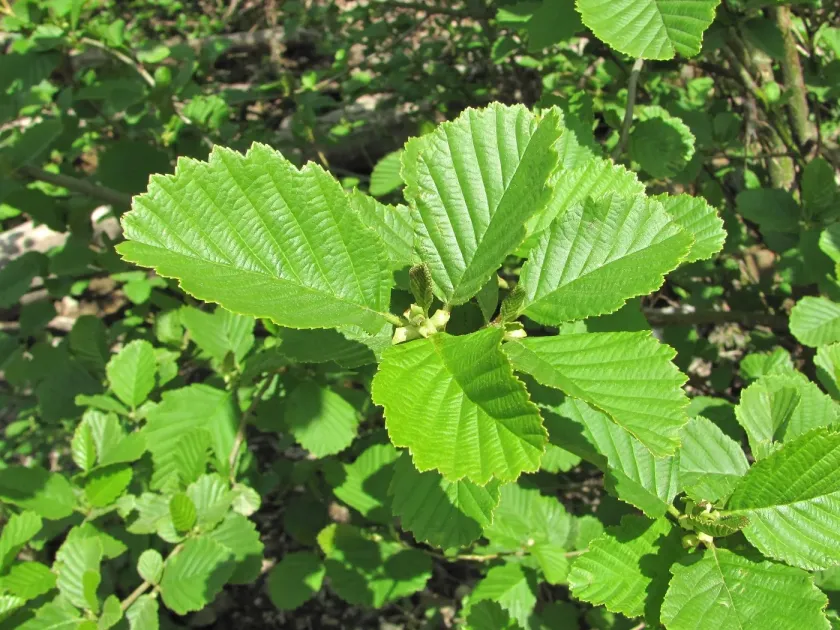
Description
Sowing dates
Caucasian alder (Alnus barbata) is typically propagated from seeds in nursery settings. The seeds require stratification for one to two months at cool temperatures to ensure successful germination before planting in the spring.
Direct sowing in forestry is best conducted in early spring when the soil retains sufficient moisture. Seeds are planted in prepared furrows at a shallow depth, which promotes optimal germination rates and early establishment of the root system.
Vegetative propagation, such as stem cuttings, is less common but can be utilized for ornamental purposes or rapid reforestation projects. High-quality seedlings or cuttings are essential for establishing healthy and vigorous plantations.
Proper spacing is crucial during the initial planting phase, as the Caucasian alder thrives when given adequate room to grow. Sunlight is vital for this species, and regular thinning of young stands ensures that individual trees develop strong stems.
Maintenance during the first two years of growth should focus on weed control. By preventing competition from invasive vegetation, young alder trees are able to allocate resources toward rapid vertical growth and successful root development.
Growing requirements
The Caucasian alder is a moisture-loving species that excels in environments with high water tables. It is frequently encountered along riverbanks and riparian zones, where it is highly effective at stabilizing soil and preventing erosion.
It favors fertile, loose, and well-aerated soils with excellent moisture retention properties. While it can survive on clay or peat-rich substrates, it does not tolerate stagnant water that leads to prolonged root hypoxia.
Climate requirements for this species include mild temperatures with consistent rainfall. While the Caucasian alder exhibits moderate frost resistance, extreme temperature fluctuations during the early spring can potentially damage developing buds.
A distinctive biological feature is the plant's ability to form symbiotic relationships with nitrogen-fixing bacteria on its roots. This capability allows the alder to thrive in nutrient-poor conditions while naturally enriching the surrounding soil.
In terms of light exposure, the Caucasian alder is heliophilic. Adult trees require full sunlight for optimal growth; therefore, they are not suitable for dense, shaded forest interiors and perform best in open, bright locations.
Yield
The primary economic focus of Alnus barbata cultivation is the harvesting of high-quality wood for the furniture and woodworking industries. Yield potential is dictated by silvicultural practices and the age of the stand.
Under favorable growing conditions, the Caucasian alder demonstrates rapid biomass accumulation, often reaching harvestable size in 30 to 50 years. This fast growth cycle makes it an attractive species for industrial forestry.
The wood of the Caucasian alder is highly valued for its uniform texture, ease of machining, and ability to accept stains and finishes. It is widely used for plywood, interior components, and high-quality cabinetry products.
Ecological yield is also a major consideration, as these trees play a vital role in soil restoration. By contributing nitrogen to the ecosystem and stabilizing banks, they provide significant indirect value to agricultural landscapes.
Secondary products, such as bark and seed cones, are harvested for their tannin content. These materials are utilized in the pharmaceutical and tanning industries, providing an additional revenue stream for forest managers.
Main diseases and pests
Fungal infections, such as stem canker, represent a primary threat to Caucasian alder plantations. Regular monitoring and the prompt removal of infected materials are essential practices to prevent the spread of disease.
Leaf-eating insects, including alder beetles, can cause significant defoliation during outbreaks. This stress weakens the tree and significantly reduces its annual growth increment, necessitating biological or mechanical intervention.
Wood-boring insects (xylophages) pose a risk to weakened or damaged trees. Maintaining stand vigor through proper silviculture and the removal of deadwood is the most effective strategy to manage these pests.
Root rot remains a concern if trees are planted in sites with poor drainage and excessive standing water. Ensuring adequate land drainage is a fundamental requirement for the long-term health and productivity of the alder stand.
Young trees are also vulnerable to browsing by wildlife, particularly rodents that strip bark during winter months. Installing physical barriers or tree guards is often necessary to protect seedlings until they reach a more robust stage.