
Green alder
Alnus alnobetula
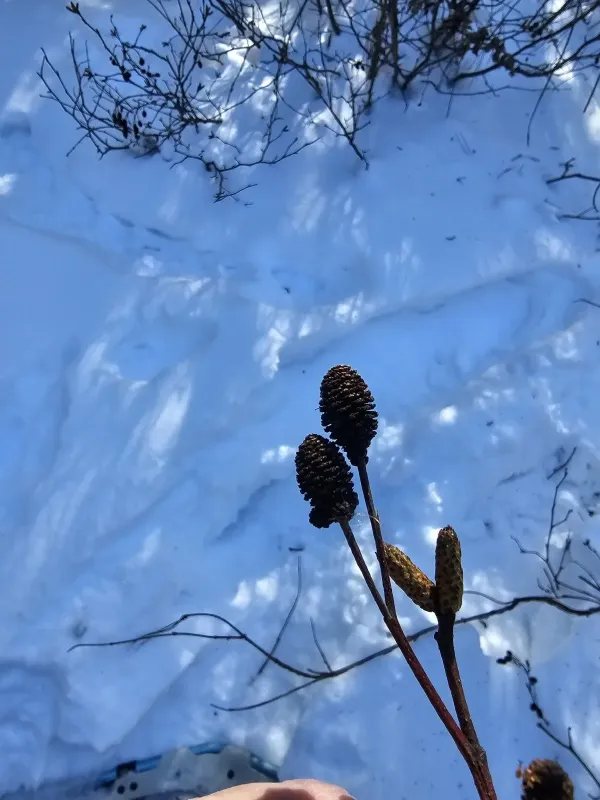
Description
Growing requirements
Green alder (Alnus alnobetula) is a deciduous shrub species belonging to the Betulaceae family. It is widely recognized for its ecological importance as a pioneer species capable of colonizing harsh, nutrient-poor landscapes such as mountain slopes and post-industrial sites.
One of the most valuable biological features of this shrub is its ability to fix atmospheric nitrogen. Through a symbiotic relationship with specific soil bacteria, green alder naturally increases soil fertility, making it an excellent candidate for ecological restoration and land reclamation projects.
In terms of climatic requirements, green alder prefers cool and humid environments. It exhibits high tolerance for frost and strong winds, which makes it well-adapted to high-altitude regions and boreal forests. However, it requires adequate moisture to thrive during the initial stages of establishment.
The soil preference of this species includes acidic and rocky terrains where other crops would fail. While it performs best on well-drained loamy soils, it is remarkably resilient to varying substrate conditions, provided there is enough aeration to prevent root rot.
The agricultural usage of green alder is centered on its function as a soil stabilizer. By anchoring unstable soils on steep slopes with its deep root system, it effectively mitigates erosion and prepares the ground for more demanding forestry species to follow.
Main diseases and pests
The health of green alder plantations is primarily threatened by fungal pathogens such as rusts and leaf spot diseases. These conditions often arise in sites with high humidity levels and poor airflow between individual plants.
Insect pests, including various leaf beetles and weevils, can cause significant defoliation if they reach outbreak levels. Monitoring populations during the peak growing season is essential for minimizing damage to the foliage and overall plant vigor.
Root rot, often caused by stagnant water or excessively waterlogged soils, is a critical physiological threat. Ensuring proper drainage during the site selection and preparation phase is vital for successful long-term establishment.
Small mammals can pose a threat to young plantations during harsh winter months by feeding on the bark of tender shoots. Implementing physical protective barriers or repellents is a standard practice in managed nursery settings.
Maintaining a diverse and healthy ecosystem is the most effective way to manage these threats. Where chemical interventions are permitted, targeted fungicidal applications may be necessary to control severe outbreaks during particularly wet growing seasons.