
Hybrid alder
Alnus hybrids
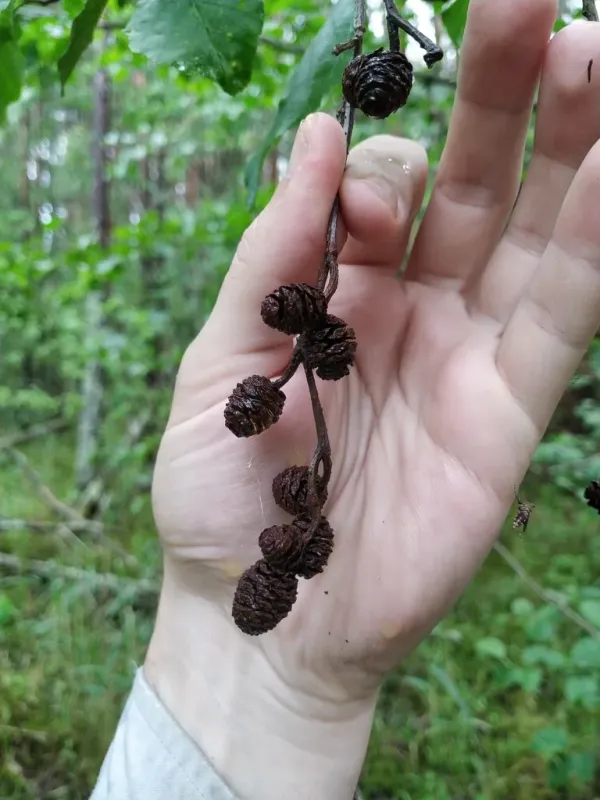
Description
Sowing dates
Hybrid alder is typically propagated using nursery-grown saplings, which ensures high genetic consistency and vigor compared to direct seeding in forest settings.
The ideal planting season is early spring, immediately after the ground has thawed, allowing the trees to establish their root systems before the onset of summer heat.
Spacing requirements vary depending on the end-use of the timber, but standard layouts of 2.5 by 2.5 meters are common to encourage vertical growth and limit side branching.
Successful establishment relies on site preparation, including thorough soil aeration and the removal of competing vegetation that could suppress growth in the critical first two years.
In cases where clonal propagation is used, it is essential to ensure that the planting stock is free of pathogens to prevent the spread of disease within the new plantation.
Growing requirements
As a member of the Betulaceae family, hybrid alder thrives in moisture-retentive soils but requires adequate drainage to prevent root suffocation in waterlogged areas.
The species prefers fertile loamy or silty soils with a slightly acidic to neutral pH, which maximizes nutrient uptake and promotes rapid biomass accumulation.
Full sun exposure is vital for the optimal performance of hybrid alder, as partial shade conditions significantly retard the development of the canopy and stem diameter.
While the hybrid exhibits robustness against varying climates, it performs best in temperate regions with well-distributed annual rainfall throughout the growing season.
Regular monitoring of soil moisture levels is advisable, especially during the establishment phase, to prevent drought stress from impacting the growth rate.
Yield
The economic attractiveness of hybrid alder lies in its rapid growth rate, often producing harvestable timber in a significantly shorter timeframe than native species.
Yield metrics are largely determined by site quality, silvicultural management, and the genetic potential of the specific hybrid clone chosen for the plantation.
The timber is highly valued for its uniform texture and workability, making it a preferred material for high-quality plywood, veneers, and furniture manufacturing.
In addition to traditional sawtimber, hybrid alder plantations are increasingly being utilized for sustainable biomass production, offering a renewable energy source.
Efficient plantation management, including timely thinning and weed control, can increase the total volume of high-quality wood harvested per hectare over the lifecycle.
Main diseases and pests
Phytophthora alder disease represents one of the most serious threats, capable of causing significant mortality if the pathogen gains a foothold in the plantation.
Defoliating insects, such as the alder leaf beetle, can cause substantial damage to the foliage, which reduces the photosynthetic capacity of the trees during peak growth.
Effective management requires a comprehensive integrated pest management approach, emphasizing prevention through site sanitation and the selection of resistant clones.
Environmental factors, such as improper drainage, often exacerbate susceptibility to fungal root diseases, highlighting the importance of proper initial site selection.
Early identification of stressors, whether biotic or abiotic, is key to maintaining the health of the stand and protecting the investment in the forest crop.
Harvesting
Harvesting usually involves clear-felling the plantation once the trees reach the target diameter, typically between 15 and 20 years of age, depending on growth rates.
Mechanized timber harvesting is the standard practice, allowing for efficient felling, delimbing, and sorting of wood directly at the site of the plantation.
Post-harvest management is crucial for the long-term sustainability of the land, including the removal of debris to prevent the buildup of pest populations.
Proper timing of the harvest, ideally during dormant winter months, helps in optimizing the moisture content and wood quality for subsequent processing operations.
The versatility of the harvested alder wood ensures stable demand across different industries, from pulp and paper production to fine woodworking and heating fuel.