
Arizona alder
Alnus oblongifolia
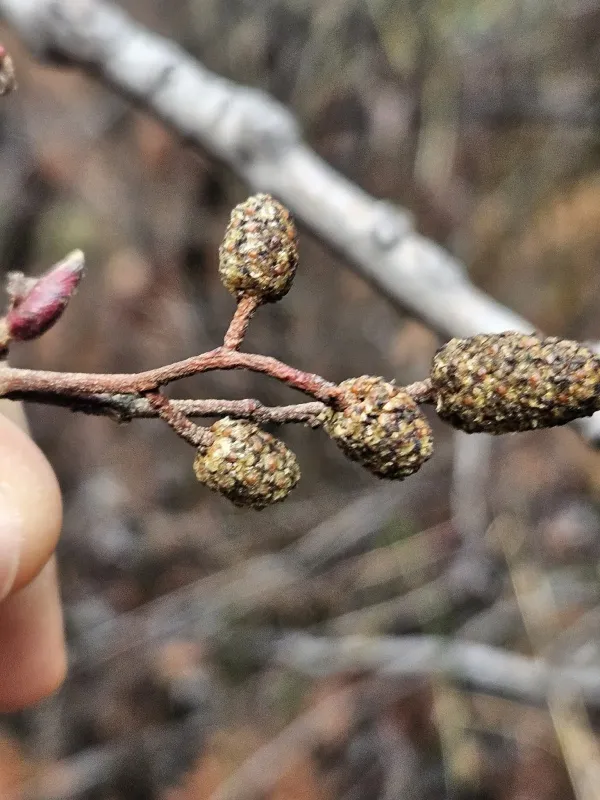
Description
Growing requirements
The Arizona alder (Alnus oblongifolia) is a member of the Betulaceae family. Native to the mountainous regions of the southwestern United States and northern Mexico, it is commonly found inhabiting riparian corridors and cool canyons.
This species has high water requirements and is classified as a facultative wetland plant. It thrives along stream banks, benefiting from the constant moisture and the rich, alluvial soils that accumulate in these natural landscapes.
The tree prefers well-drained, porous soils. While it tolerates various soil textures, it shows optimal growth in deep, moist, and slightly acidic environments. It is highly valued in ecological restoration for its role in soil stabilization.
Regarding climate, the Arizona alder is well-adapted to areas with mild winters and warm summers. It relies on the specific humidity levels found in higher altitudes or near water bodies, which makes it somewhat sensitive to extreme arid conditions at low elevations.
Silvicultural management includes careful site selection, ensuring proximity to a reliable water source. Planting techniques involve proper spacing to allow for full crown development and periodic pruning to maintain tree health and structural integrity.
Main diseases and pests
Root rot is the primary fungal threat, particularly in soils with poor drainage. Proper site preparation and the avoidance of soil compaction are critical steps to prevent the development of root pathogens.
Insect pests, including various species of defoliators and leaf-mining beetles, can cause significant aesthetic and physiological damage. Monitoring and timely intervention with targeted biological controls are recommended.
Browsing by deer and rodents poses a significant threat to young saplings in nursery settings and newly established plantations. Protective tubing or wire fencing is essential for the successful establishment of this species.
Drought stress, especially in the first few years after planting, makes the trees susceptible to secondary attacks by borers and cankers. Adequate irrigation during the establishment phase is vital for long-term survival.
Environmental fluctuations, such as intense heat waves, can lead to foliage scorching and stress. Mulching the root zone helps maintain stable soil temperature and moisture levels, protecting the plant during periods of climatic stress.