
Alnus elliptica
Alnus elliptica
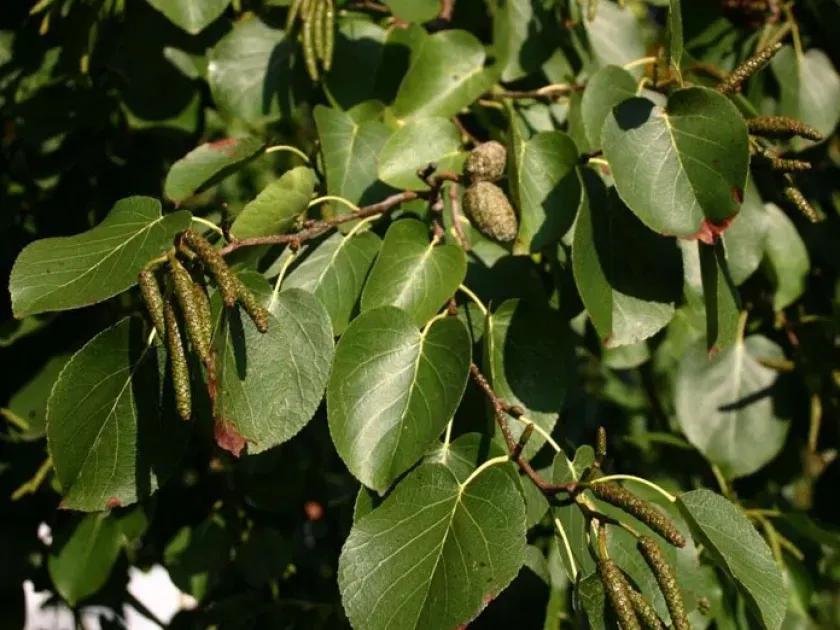
Description
Growing requirements
Alnus elliptica, commonly known as the elliptical alder, belongs to the Betulaceae family. Native primarily to the mountainous regions of Turkey, this tree species is characterized by its adaptability to specific temperate conditions and distinct leaf morphology.
The species requires moist, well-draining soils with a near-neutral pH level. It plays a significant ecological role by hosting nitrogen-fixing actinomycetes in its root nodules, which enriches the surrounding soil with essential nitrogen compounds for surrounding flora.
In terms of climate, it prefers regions with consistent rainfall and avoids areas prone to prolonged, severe drought. The tree exhibits a moderate growth rate and requires high light exposure in mature stages to maintain structural density and health.
Cultivation practices involve site selection with deep, nutrient-rich substrates and careful spacing to facilitate proper crown development. Standard nursery management includes annual pruning to remove damaged branches and ensure optimal vigor during the seedling establishment phase.
Economically, Alnus elliptica is valued for its versatile timber, which is frequently used in furniture manufacturing, plywood production, and specialty woodcraft. Its bark and leaves have historically been studied for their tannin content, relevant to traditional tanning processes.
Main diseases and pests
The primary pathological threat to this species is the Phytophthora alni fungus, which causes root rot and crown decline in established stands. Effective management requires maintaining soil drainage and avoiding root injury during silvicultural interventions.
Leaf-feeding insects, such as the alder flea beetle, pose a risk during the early summer months. Integrated pest management strategies, focusing on biological controls and periodic monitoring, are essential to mitigate the impact of defoliation on the tree's annual growth cycles.