
Japanese alder
Alnus firma
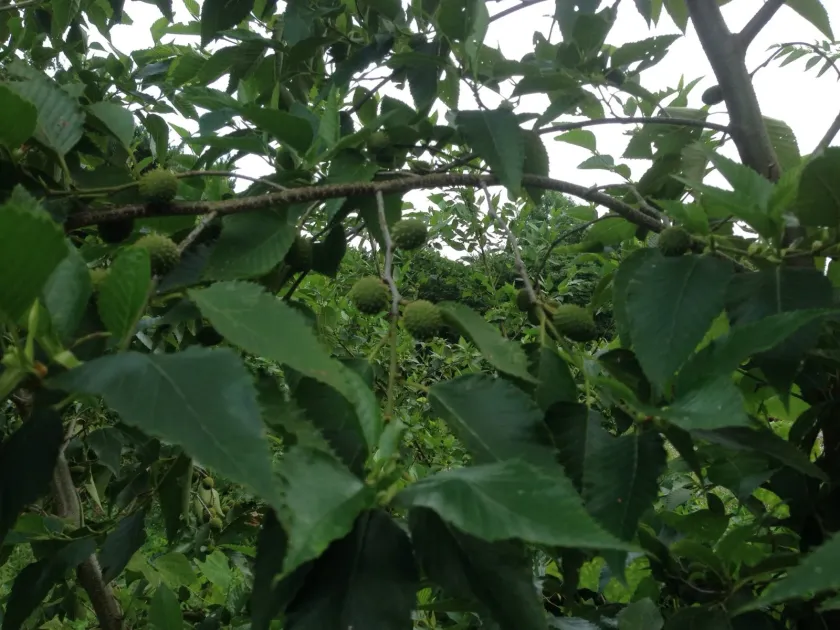
Description
Sowing dates
Propagation of Alnus firma is primarily achieved through seeds, which require stratification to mimic winter conditions and ensure high germination rates.
Seeds should be sown in early spring into well-drained, sterile media to prevent fungal damping-off, ensuring they are only lightly covered with fine soil.
Maintaining a consistent moisture level is vital during the initial germination phase; misting systems or greenhouse covers are often employed for young seedlings.
Once seedlings are robust enough to handle environmental stressors, they should be transplanted into containers or nursery beds for further development.
Gradual hardening-off before final planting is essential to acclimatize young trees to the fluctuating temperatures and wind conditions of the outdoor environment.
Growing requirements
Alnus firma is a member of the Betulaceae family, native to the mountain regions of Japan, where it thrives in cool, temperate climates.
The species performs best in deep, fertile soils that provide excellent drainage while retaining sufficient moisture throughout the growing season.
It prefers full sun to light shade, and while it is adaptable to various soil pH levels, it shows a preference for slightly acidic, loamy conditions.
As a nitrogen-fixing species, it can improve soil fertility, making it a valuable addition to reforestation projects in depleted mountain landscapes.
The tree demonstrates good wind tolerance once established, although protection during the juvenile stage significantly improves its overall growth habit.
Yield
The economic yield of Alnus firma is primarily linked to its timber, which is appreciated for its fine, uniform texture and relative ease of processing.
Industrially, the wood is utilized in furniture manufacturing, carving, and the production of interior design elements, offering a high-quality finished surface.
Beyond timber, the species provides ecological services, including soil stabilization on steep slopes and carbon sequestration within managed forests.
Sustainable harvesting cycles for this species typically span several decades, allowing for consistent production while maintaining the health of the ecosystem.
- Sustainable wood production.
- Soil enrichment through nitrogen fixation.
- Erosion control on sloped terrain.
- Ornamental value in landscapes.
Main diseases and pests
Fungal infections, particularly leaf spot and cankers, can arise if the trees are planted in areas with poor air circulation or excessive humidity.
Insect pests such as leaf beetles are a common concern, as they can cause significant defoliation, thereby reducing the photosynthetic capacity of the trees.
Root rot caused by Phytophthora species remains a significant threat, often exacerbated by waterlogged soil conditions and lack of adequate drainage.
Effective management includes regular monitoring for early signs of disease and the application of integrated pest management strategies to minimize chemical usage.
Removing dead or decaying wood immediately is a critical sanitary practice that helps contain the spread of pests and diseases across the forest plantation.