
Caucasian alder
Alnus subcordata
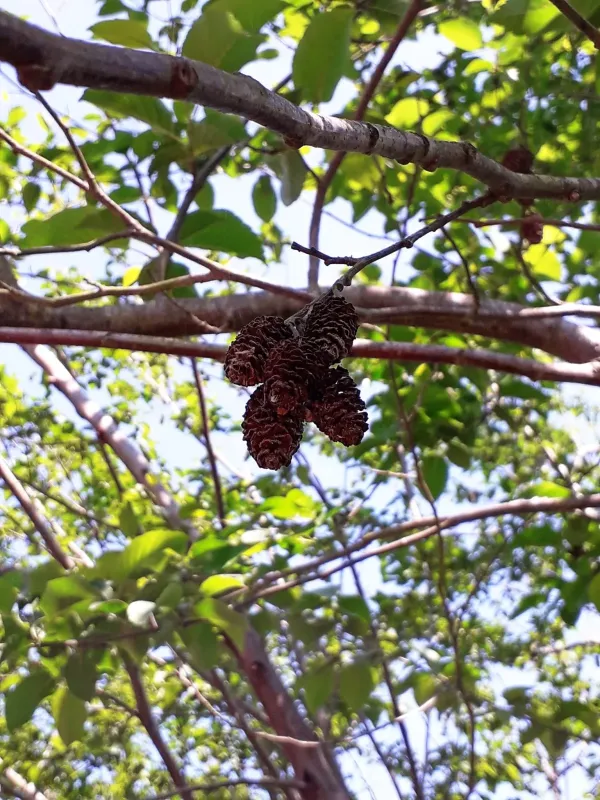
Description
Sowing dates
Caucasian alder (Alnus subcordata) is a fast-growing deciduous tree belonging to the Betulaceae family. It is widely recognized for its robust growth habit and its ability to thrive in regions with sufficient moisture. In forest management, it is primarily propagated from high-quality seeds collected in late autumn.
For nursery cultivation, seeds should be stratified at low temperatures for several weeks before sowing in spring. They are sown in rows with a spacing that allows for adequate airflow and sunlight penetration. Since the seeds are minute, covering them with a thin layer of fine soil or mulch is critical for successful germination.
Proper moisture management is vital during the initial growth stage. The soil should remain consistently moist but not waterlogged to prevent fungal diseases that often affect young seedlings. Thinning is performed once the seedlings reach a height of 5-10 centimeters to provide space for root development.
While seed propagation is the standard method for large-scale reforestation, green cuttings can be utilized under controlled greenhouse conditions. This requires high humidity levels and rooting hormones to ensure successful propagation of elite tree varieties.
Maintaining a weed-free environment during the first two years of growth is essential to ensure the saplings establish a strong root system. Competitive vegetation must be managed through mechanical weeding to prevent nutrient depletion in the nursery beds.
Growing requirements
Caucasian alder is native to the Caspian regions, which influences its environmental preferences. It thrives in humid climates with mild winters, as extreme frost can cause significant damage to the bark and buds of the tree.
The tree prefers deep, fertile, and well-drained soils, ideally with an alluvial origin. While it tolerates a wide range of soil types, it is particularly sensitive to drought conditions; therefore, planting sites must have reliable access to groundwater or regular rainfall.
Sunlight is a key factor for its development. Caucasian alder is a sun-loving species and will reach its full growth potential only when planted in open sites with ample daily exposure to direct sunlight. Shaded areas result in sparse foliage and stunted growth.
One of the most notable biological characteristics of the species is its ability to form a symbiotic relationship with nitrogen-fixing bacteria (actinomycetes) in its root nodules. This enables the tree to improve poor soils, making it an excellent candidate for site reclamation projects.
The optimal pH range for this species is slightly acidic to neutral. Extreme alkalinity can hinder nutrient uptake, leading to chlorosis and poor overall vigor, so soil testing prior to large-scale plantation establishment is highly recommended.
Yield
The primary economic value of Caucasian alder lies in its timber. The wood is prized for its uniform texture, ease of machining, and excellent finishing properties, making it a favorite in furniture manufacturing, cabinetry, and high-quality plywood production.
In well-managed plantations, harvesting can occur within 30 to 50 years depending on the intended use. The rapid growth rate of Alnus subcordata provides a shorter rotation period compared to other hardwood species, enhancing its profitability for forest owners.
Beyond wood production, this species serves critical environmental functions. It is frequently utilized in riverbank stabilization and watershed protection due to its extensive root system, which prevents soil erosion and manages water runoff along riparian zones.
The foliage of the Caucasian alder is rich in nitrogen, and its annual leaf fall contributes significantly to soil organic matter. This natural nutrient cycling helps maintain soil fertility in areas where the alder is planted, benefiting surrounding ecosystems.
The wood is also historically valued for specialty applications, such as the production of charcoal for artists and specific types of containers for food storage, thanks to its resistance to decay in consistently moist conditions.
Main diseases and pests
Caucasian alder faces several biotic threats, including fungal infections like rust (Melampsoridium) and various canker diseases. These pathogens often thrive in overly dense plantations where airflow is restricted, leading to increased humidity and spore transmission.
Insect pests can also cause significant damage. Leaf beetles and various species of caterpillars are known to feed on the foliage, potentially defoliating large parts of the tree if infestations are left unchecked, leading to a reduction in growth vigor.
Boring insects, such as bark beetles and wood borers, pose a severe threat to the tree's internal structure. These pests typically attack weakened or stressed trees, highlighting the importance of maintaining optimal growing conditions to boost natural immunity.
Frost cracks and sunscald can create entry points for opportunistic pathogens. Proper site selection and careful monitoring are necessary to detect these structural weaknesses before they lead to systemic decay or stem rot.
The most effective management strategy involves proactive silviculture: choosing appropriate sites, avoiding monoculture dominance, and performing regular sanitary thinning to remove affected trees, thereby limiting the potential for widespread infestation or disease outbreaks.