
Downy alder
Alnus pubescens
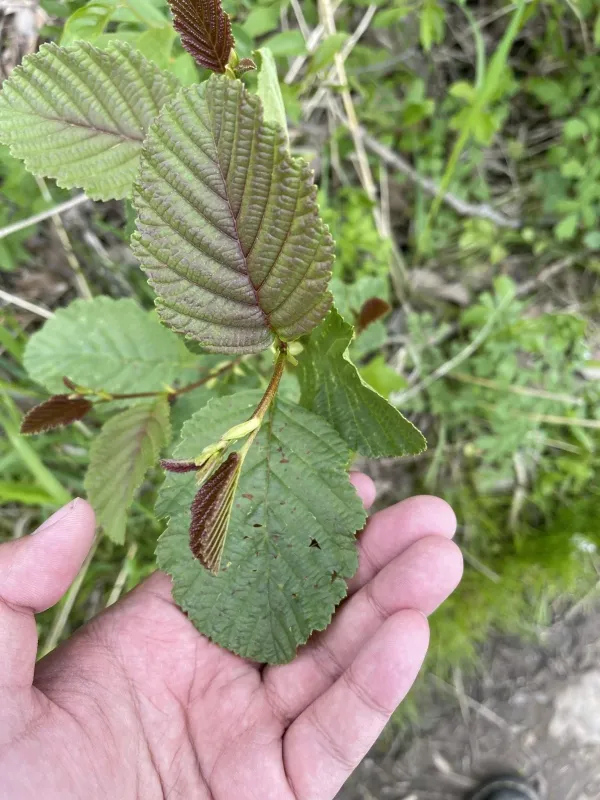
Description
Growing requirements
Downy alder (Alnus pubescens) is a deciduous tree species from the Betulaceae family, recognized for its tolerance to waterlogged soils. It is native to various European regions and plays a crucial role in ecological restoration and sustainable forestry management.
Botanical features include distinct pubescent leaves and a symbiotic relationship with Frankia bacteria in the root nodules. This relationship allows the alder to fix nitrogen, significantly improving the fertility of the soil in which it grows, which benefits the overall ecosystem.
Climate requirements for this species are centered on high moisture availability and adaptability to cold temperate conditions. It thrives in bogs, fens, and riparian areas, making it a preferred species for reclamation projects where soil drainage is a significant constraint for other plants.
Agro-technical practices involve site preparation that considers the local water table level. While the tree is robust, proper spacing is essential to ensure uniform trunk development and high timber quality in plantation settings, preventing unnecessary competition for nutrients and light.
The economic importance of downy alder is multifaceted, ranging from high-quality timber used in furniture manufacturing to its utility as a pioneer species in forest regeneration. Furthermore, its ability to stabilize soil makes it an invaluable asset in managing wetlands and controlling erosion.
Main diseases and pests
Typical threats involve fungal diseases such as leaf rust and various cankers that can impede growth in younger populations. Monitoring site conditions to prevent excessive humidity stagnation within the stand is a vital preventive measure for maintaining overall plantation health.
Insect pests such as leaf miners and wood-boring beetles present significant challenges, as they can cause extensive damage to the bark and internal wood structure. Integrated pest management strategies are recommended to mitigate these risks and ensure the longevity of the timber stand.