
Alnus trabeculosa
Alnus trabeculosa
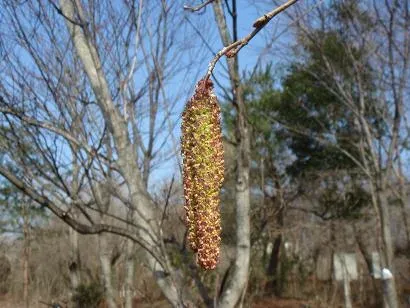
Description
Sowing dates
Alnus trabeculosa is primarily propagated through seeds, which are dispersed from woody, cone-like catkins during the late autumn or winter months. In nursery environments, seeds require cold stratification to ensure uniform germination.
Sowing in nurseries is typically performed in late winter or early spring using well-drained, moist peat-based substrates. Consistent moisture levels are critical as the seeds are small and have limited nutrient reserves.
Seedlings are usually ready for field planting after one or two years of nursery care. During this period, containerized seedlings often show superior survival rates compared to bareroot stock due to the protection of the root system.
The planting process should be aligned with the local frost-free season, ensuring that the soil is sufficiently warm for root establishment. Proper spacing is essential to minimize competition and facilitate future silvicultural operations.
Once established, the young trees require minimal maintenance, although initial weed control is necessary to ensure that the alder seedlings receive enough light and water to overcome the critical establishment phase.
Growing requirements
This species belongs to the Betulaceae family and is native to the temperate forests of East Asia. It naturally thrives in riparian zones, wetlands, and areas with high soil moisture, reflecting its evolutionary adaptation to aquatic environments.
Alnus trabeculosa requires fertile, well-aerated soils with a neutral or slightly acidic pH. It performs poorly in compacted or excessively sandy soils that lack the necessary moisture-holding capacity for deep root penetration.
The climate should be humid and temperate, providing a long enough growing season for the trees to build sufficient biomass. Extreme droughts or prolonged cold snaps can significantly stress the trees, leading to growth stuntedness.
A key botanical feature is the symbiotic relationship with Frankia bacteria, which form nitrogen-fixing nodules on the roots. This biological process significantly enhances soil fertility, benefiting the tree and the surrounding ecosystem.
Full to partial sunlight is ideal for the growth of this species. While young trees are moderately shade-tolerant, they demonstrate the most vigorous growth and optimal health when given ample access to direct sunlight.
Yield
The economic value of Alnus trabeculosa is primarily derived from its high growth rate and the quality of its wood. In suitable sites, these trees can form dense, productive stands suitable for sustainable timber harvesting.
The wood of this alder species is valued for its even texture, light weight, and ease of processing. It is frequently utilized in furniture manufacturing, cabinetry, and the production of specialized plywood and woodcrafts.
Productivity is measured by the volume of timber produced per hectare over a standard harvest cycle, which is typically 30 to 40 years. Pruning and thinning practices can significantly improve the quality of the timber by reducing knots.
Beyond timber, the species contributes to the overall site value by acting as a soil conditioner. Its ability to enrich the soil with nitrogen can lead to cost savings in long-term land management and forestry planning.
High-yield forestry for this species often integrates it into agroforestry systems, where it can provide both wood products and ecosystem services, such as erosion control and biodiversity support, concurrently.
Main diseases and pests
Phytophthora diseases represent a significant threat to Alnus trabeculosa, particularly in areas where waterlogged soil conditions occur. These pathogens target the root system and can lead to rapid decline and mortality in stands.
Insect pests, such as alder leaf beetles and certain species of sawflies, are capable of causing widespread defoliation. Repeated outbreaks can deplete the tree's energy reserves, leaving it susceptible to secondary pathogens.
Canker diseases are often associated with mechanical wounding of the trunk or branches. Maintaining forest sanitation and avoiding tree damage during thinning operations is essential for preventing the spread of these fungi.
Environmental stresses, such as extreme heat and fluctuating water tables, can also predispose trees to infestations. Maintaining a balanced site ecology is the most effective long-term strategy for managing these threats.
Integrated pest management, including the monitoring of insect populations and the selection of genetically resilient seedlings, serves as the primary defense against the various biological threats facing the culture.