
Betula alnoides
Betula alnoides
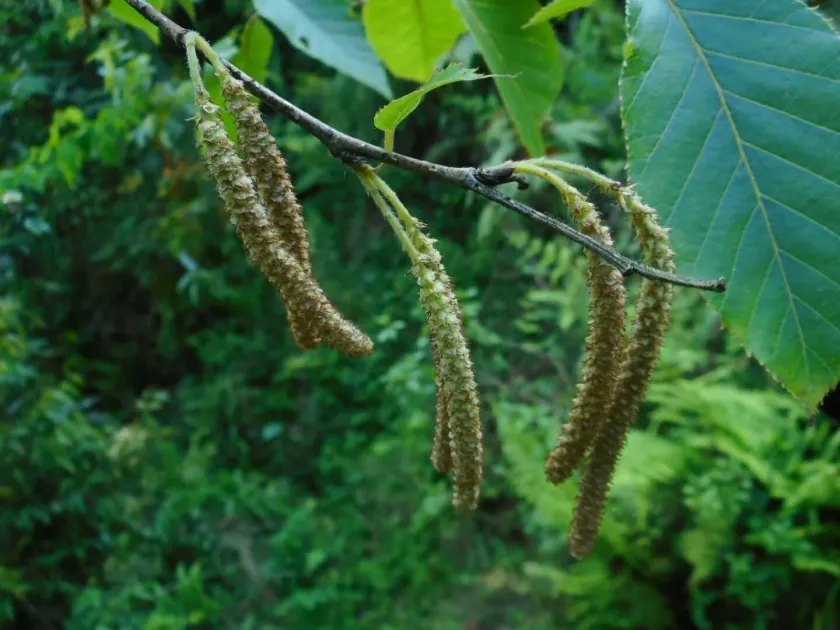
Description
Sowing dates
Sowing of Betula alnoides seeds is primarily carried out in the spring when soil temperatures reach 10–15 degrees Celsius. It is crucial to use freshly harvested or stratified seeds to ensure high germination energy and uniform emergence.
In nurseries, seeds are sown at a shallow depth of no more than 0.5–1 centimeter, as the small seeds are highly sensitive to planting depth. The soil surface is typically mulched with peat or sawdust to maintain moisture in the upper soil layers.
The optimal sowing pattern involves keeping row spacing at approximately 20–25 centimeters to provide sufficient space for seedling development. During the first year, seedlings require regular watering and protection from direct, intense sunlight.
When transplanting seedlings to permanent sites, autumn or early spring planting is recommended. Since this species is sensitive to root damage, using container-grown seedlings significantly improves establishment and survival rates.
Planting density in forest areas varies based on management goals; high-density planting is preferred for producing high-quality commercial timber, as it encourages natural pruning of lower branches.
Growing requirements
Betula alnoides belongs to the Betulaceae family and is native to subtropical and temperate regions of Asia. It thrives in well-drained, fertile loam soils with slightly acidic to neutral pH levels.
This species is classified as light-demanding, although it can tolerate light shading during its early growth stages. Optimal development is observed in areas with sufficient annual rainfall and high atmospheric humidity.
The tree is sensitive to prolonged drought periods, especially during active growth phases. The soil must provide excellent aeration, as waterlogging and soil compaction significantly hinder root system health and expansion.
Climate requirements for this species include regions with mild winters, as Betula alnoides is less frost-resistant than other common birch species. Average annual temperatures ranging from 12 to 18 degrees Celsius are generally ideal.
In forestry management, it is vital to provide wind protection, especially for young crowns. Regular application of organic fertilizers during the initial stages promotes the development of a robust and healthy tree structure.
Yield
The economic value of Betula alnoides is primarily derived from its high-quality timber, which is known for its density, strength, and attractive grain pattern. This makes it a highly desirable species for furniture production.
With proper care, the tree shows a rapid growth rate, with height increments reaching 80–100 centimeters per year in youth. After 20–30 years, stands are typically ready for intermediate harvest and thinning operations.
The wood is widely used in the manufacturing of plywood, decorative panels, and fine cabinetry. Its mechanical properties compare favorably with many high-value hardwoods, ensuring stable market demand.
Biomass yield depends heavily on soil composition and management intensity. Under intensive forestry practices, commercial timber yields can reach 250–300 cubic meters per hectare over a full maturity cycle.
In addition to timber, the species provides significant ecosystem services, including soil erosion prevention and the creation of aesthetically pleasing green spaces for recreational purposes.
Main diseases and pests
Like other Betulaceae species, this tree is susceptible to fungal infections that can cause leaf spots. Consistent sanitary thinning and removal of diseased debris help minimize the spread of pathogens.
Pests such as leaf rollers and various leaf-mining moths pose a significant threat to the foliage. Timely application of insecticides during peak insect activity periods is essential to control populations.
Root rot is the most serious disease, often developing in poorly drained or waterlogged soils. Prevention strategies focus on improving drainage infrastructure and monitoring groundwater levels regularly.
Winter damage from rodents gnawing on the bark of young trees can be fatal. Protective meshes or chemical repellents applied to the lower trunk are effective deterrents to prevent such physical damage.
Plantation health should be monitored at least twice per season to detect pest or disease outbreaks early. Utilizing disease-resistant cultivars and healthy planting stock is the most sustainable approach to long-term forestry.