
Jacquiniella
Jacquiniella
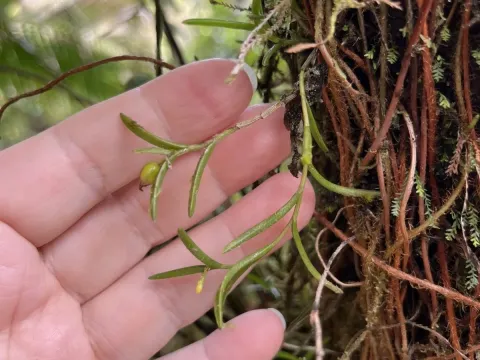
Jacquiniella is a genus of miniature epiphytic orchids belonging to the Orchidaceae family. These plants are native to the tropical regions of Central and South America, extending from Mexico to Brazil. They naturally inhabit the moist, shaded environments of tropical rainforests, growing predominantly on the branches and trunks of trees.
What the section contains


Jacquiniella
Botanically, these plants are known for their dense, often laterally compressed leaves and tiny, sometimes inconspicuous flowers that appear in terminal or lateral clusters. As epiphytes, their root systems are specialized to absorb moisture and nutrients directly from the air and rain, rather than from soil. Their growth habit is sympodial, creating small, compact, and often decorative clumps.
Cultivation requirements necessitate stable temperatures, typically ranging between 18 and 25 degrees Celsius. They thrive in environments with moderate, indirect light levels. High humidity is essential for the health of the plant, ideally maintained at 60 to 70 percent or higher. Proper air movement is critical to prevent the buildup of moisture around the foliage and roots.
The substrate should prioritize drainage above all else. Cultivating them on bark mounts or in open-weave baskets filled with coarse, well-draining media like charcoal and large-grade bark is highly recommended. Because they are sensitive to mineral buildup, the use of pure, filtered, or distilled water for watering is preferred to maintain root health.
These orchids are highly valued in specialized collections and botanical gardens rather than in mass agriculture. They serve as excellent specimens for orchid enthusiasts interested in miniature species. Their unique morphology makes them an attractive choice for enclosed terrariums or greenhouses where specific humidity and temperature levels can be tightly regulated.
The main threats to these orchids include fungal and bacterial rots, which are often exacerbated by poor air circulation or over-watering. Common pests such as spider mites and mealybugs can also infest the plants, particularly if the surrounding air is too dry. Maintaining consistent environmental conditions and practicing good hygiene are the most effective ways to prevent these issues.