
Japanese lady's slipper
Cypripedium japonicum
Description
Growing requirements
The Japanese lady's slipper (Cypripedium japonicum) belongs to the Orchidaceae family. It is a highly valued perennial species native to the woodland areas of Japan, Korea, and China, where it thrives in humus-rich, well-draining soils.
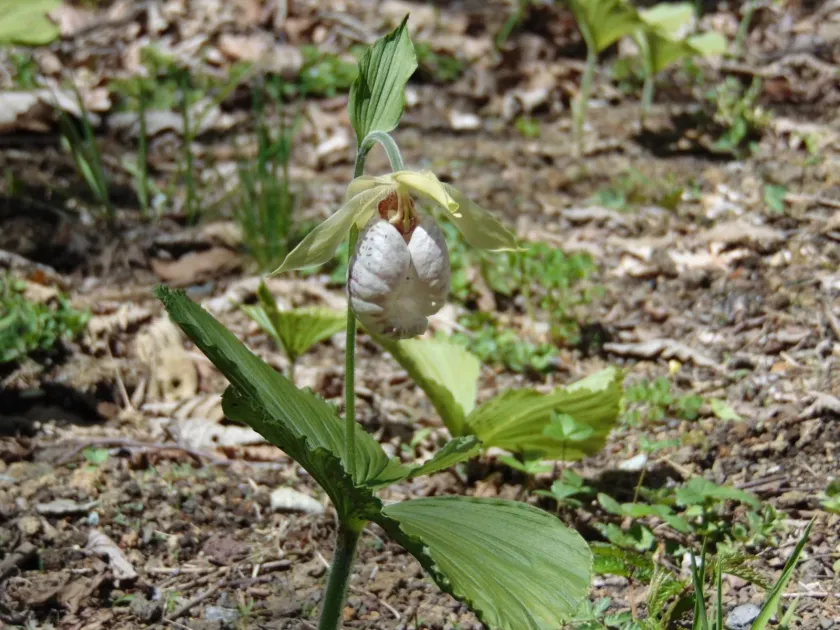
Botanically, this species is distinct for its two large, fan-shaped leaves and a unique, pouch-like flower. The plant requires specialized microclimates that mimic its natural forest habitat to ensure successful growth and long-term survival.
Requirements for the soil include a neutral to slightly acidic pH, high organic content, and excellent drainage. The presence of symbiotic mycorrhizal fungi is crucial for the plant's nutrient uptake, as it does not grow well in sterile or overly compacted soils.
Regarding the climate, the species prefers cool, shaded locations. It is susceptible to heat stress, making it important to maintain a cool root zone and high ambient humidity throughout the active growing season.
In terms of agricultural and horticultural use, it is primarily a collector's plant for specialized alpine or woodland gardens. Due to its delicate nature, it is not a mass-production crop but rather a high-value botanical specialty.
Main diseases and pests
Root rot is the most common disease encountered when growing Cypripedium japonicum. It is typically triggered by stagnant water and inadequate soil aeration, which leads to rapid decline of the rhizome.
Slugs and snails pose a severe threat during the spring as they target emerging shoots. Effective management involves using physical barriers or organic traps to protect the plant from significant foliage damage.
Aphids can also colonize the plant, sucking sap and weakening the orchid. It is recommended to remove them manually or use soft, environmentally safe insecticidal soaps to avoid chemical damage to the leaves.
Infections by fungi can occur if air circulation around the plant is insufficient. Providing a clean, well-mulched environment with enough space for airflow is essential for the plant's overall health and vitality.
Lastly, damage by competing weeds can be detrimental, especially when pulling weeds disturbs the delicate superficial roots of the orchid. Careful manual weeding is always preferred over mechanical cultivation around the base of the plant.