
Kerry spotted orchid
Dactylorhiza kerryensis
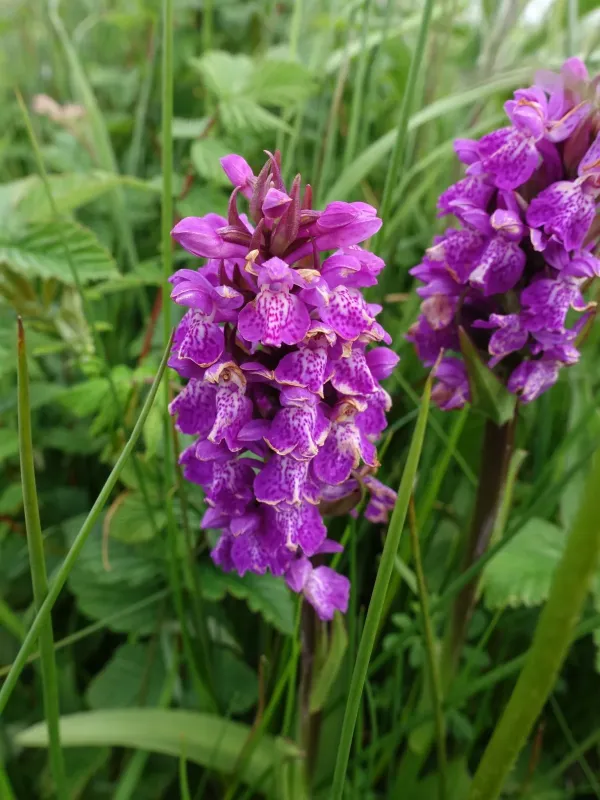
Description
Sowing dates
The Kerry spotted orchid is not an agricultural crop and is not suited for conventional cultivation. Propagation in nature occurs through microscopic seeds that lack endosperm, making natural germination a highly complex process dependent on mycorrhizal fungi.
In specialized nurseries, seeds are germinated in vitro using sterile media enriched with nutrients. This process requires significant scientific expertise and controlled laboratory conditions to achieve any success.
Vegetative propagation via tuber division is theoretically possible but remains highly risky due to the fragility of the plant's root system. The plant develops slowly, taking several years to reach maturity.
There is no commercial agricultural method for sowing this species. Its life cycle is deeply integrated with natural ecosystems, making traditional farming techniques inapplicable for its production.
Conservationists focus on habitat protection rather than artificial cultivation to ensure the long-term survival of the species. Any attempt to transplant or move specimens typically results in failure due to the disruption of root-fungi symbiosis.
Growing requirements
This orchid thrives in damp, marshy environments and nutrient-rich wetland meadows. Constant soil moisture is mandatory, as the plant relies on a consistent supply of groundwater to maintain its metabolic functions.
It prefers neutral to slightly acidic soil conditions. The soil composition must allow for adequate aeration while maintaining high water retention, typical of peat-based or loamy wetland soils.
The species requires partial sunlight or dappled shade. Exposure to intense, direct solar radiation in the absence of sufficient root moisture can cause rapid wilting and chlorosis in the leaves.
Climate requirements include mild temperatures, consistent with maritime regions. It does not tolerate extreme heat or prolonged drought, which are detrimental to its underground tubers.
Maintenance of the surrounding habitat is crucial. Any change in the soil chemistry or local microclimate can lead to the collapse of the specific fungal colonies that the orchid depends on for nutrient uptake.
Main diseases and pests
Drainage and land reclamation for agricultural or industrial use represent the most significant threat to the Kerry spotted orchid. Loss of water sources leads directly to population decline.
The application of chemical fertilizers on nearby fields often results in runoff that alters soil pH and nitrogen levels, killing the sensitive mycorrhizal fungi essential for the orchid's survival.
Various fungal pathogens, such as root rot, pose a significant risk, especially during periods of excessive rainfall or poor soil drainage. These infections can quickly devastate local colonies.
Gastropod pests, including slugs and snails, are frequent predators that target young shoots and inflorescences. During the spring growth period, these pests can prevent a plant from flowering.
Habitat fragmentation and trampling caused by livestock or human activity weaken the ecological resilience of the plant. Without protected areas, the species faces an ongoing struggle against environmental encroachment.