
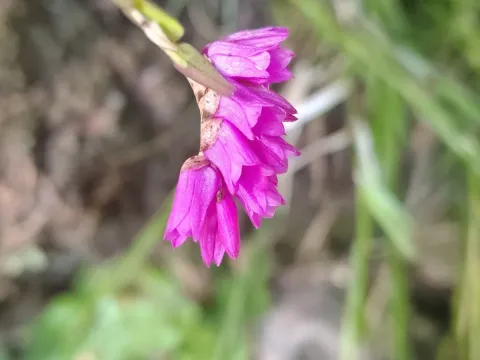
Isochilus
Isochilus
Isochilus is a genus of sympodial orchids native to tropical regions of the Americas. These plants are primarily distributed across Central America, Mexico, and the Caribbean, where they thrive in diverse ecological niches, including cloud forests and lowland tropical habitats.
What the section contains

Isochilus
Botanically, these plants are known for their slender, leafy stems that can reach significant heights. The leaves are typically narrow and arranged in two rows, giving the stems a distinctive, almost grass-like appearance that sets them apart from more common orchid genera.
Light requirements for Isochilus are specific; they demand bright, indirect light to maintain foliage health and induce flowering. Placing them near a window with filtered light or using artificial lighting systems helps simulate the canopy conditions of their native habitat.
The substrate must mimic the natural epiphytic environment, allowing for rapid drainage while retaining enough moisture for root hydration. A high-quality blend of orchid bark, perlite, and charcoal is recommended to ensure the aeration required for healthy root function.
Temperature management is crucial for the vitality of the plant. They generally prefer moderate temperatures ranging from 18°C to 25°C. Providing a slight drop in temperature during the night often helps in triggering the blooming cycle and improving overall plant vigor.
Common pests affecting Isochilus include spider mites and mealybugs, which are often attracted to the plant in conditions with poor ventilation. Regular inspections of the foliage and stems are necessary to prevent infestations from spreading throughout the collection.
The primary health risk to these orchids is root rot, which typically stems from overwatering or a degraded substrate that loses its drainage capacity. Maintaining a balance between hydration and allowing the roots to breathe is essential for preventing fungal decay.