
Jacquiniella globosa
Jacquiniella globosa
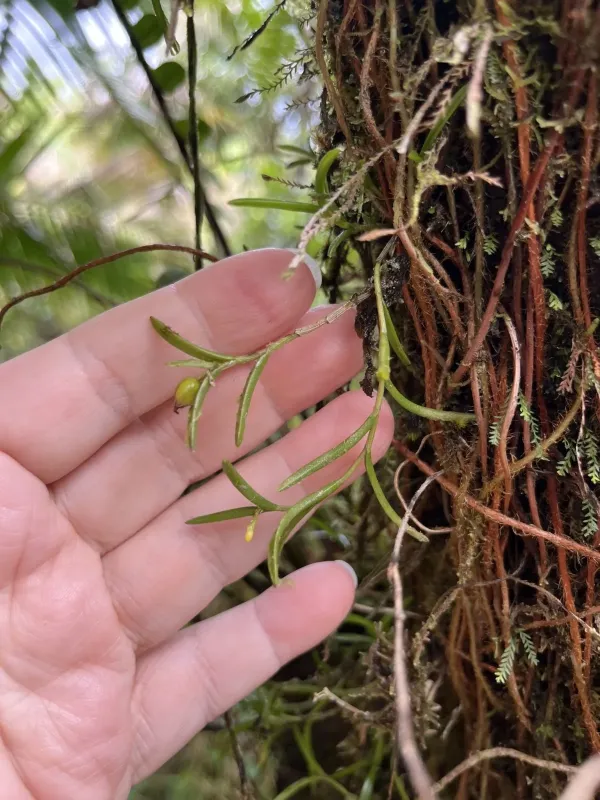
Description
Growing requirements
Jacquiniella globosa is a distinctive species of epiphytic orchid belonging to the Orchidaceae family. Native to the tropical regions of Central and South America, this plant is primarily found growing on tree branches in humid forest environments, where it adapts to varying levels of rainfall and humidity.
The botanical structure of this plant is quite unique, characterized by small, globe-shaped pseudobulbs that grow in dense, clustered formations. These succulent-like structures are an evolutionary adaptation, allowing the plant to store moisture and withstand periods of intermittent dryness in its canopy habitat.
To cultivate Jacquiniella globosa successfully, the grower must replicate a tropical environment. This means high atmospheric humidity, ideally between 70% and 80%, combined with excellent air circulation. Stagnant air is a primary cause of physiological stress and subsequent decline in this species.
The choice of growing medium is crucial. As an epiphyte, this plant should not be grown in traditional soil. Instead, use a porous, well-draining substrate such as high-quality pine bark or mount the plant on cork or hardwood slabs, which allows the roots to breathe and prevents them from rotting.
Regarding light, this orchid requires bright, filtered light. It performs best in conditions that mimic the dappled light of the forest canopy. Avoiding direct, harsh sunlight is essential to prevent scorching of the leaves, while insufficient light may inhibit the plant's ability to bloom effectively.
Main diseases and pests
The most common pests affecting Jacquiniella globosa include spider mites and mealybugs. These insects often thrive in low-humidity conditions. Regular misting and inspecting the crevices between the dense pseudobulbs are vital steps for early detection and manual control of these infestations.
Fungal pathogens, particularly those causing stem rot, represent the primary health risk for this orchid. These diseases are almost exclusively triggered by overwatering or poor drainage systems. Maintaining a strictly regulated moisture regime ensures that the root system remains healthy and resistant to opportunistic infections.