
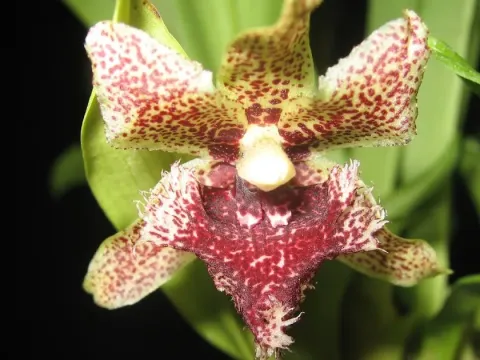
Kefersteinia
Kefersteinia
Kefersteinia is a genus of epiphytic orchids belonging to the Orchidaceae family. These plants are native to the tropical rainforests of Central and South America, where they thrive in high-altitude habitats characterized by constant moisture and moderate temperatures.
What the section contains

Kefersteinia
Successful cultivation of Kefersteinia requires a high level of humidity, ideally between 70% and 80%. As these plants lack pseudobulbs, they are highly sensitive to drought and require a consistent supply of moisture throughout the year to maintain leaf turgor.
The substrate must be well-draining yet moisture-retentive. A mix consisting of fine pine bark, perlite, and live sphagnum moss is commonly recommended to ensure adequate aeration around the delicate, fleshy roots of the orchid.
Kefersteinia species prefer filtered light conditions. Excessive direct sunlight can easily damage their foliage, causing yellowing or necrotic spots. Placing the plants in an area with bright, indirect light is crucial for healthy development.
Temperature management is another key factor for this genus. They generally thrive in intermediate conditions, with daytime temperatures between 20°C and 24°C and slightly cooler nights, which helps stimulate the production of floral spikes during the flowering season.
Fungal pathogens are the primary threat to Kefersteinia, often triggered by stagnant air and water accumulating in the leaf axils. Rot can spread rapidly through the foliage if the plant remains damp in cool, poorly ventilated environments.
Pests such as spider mites, mealybugs, and scale insects frequently target these orchids, especially when air humidity drops. Early detection through regular visual inspections of the leaf undersides is vital to preventing large-scale infestations.
Good air circulation is the best preventive measure against both fungal and bacterial issues. Utilizing small fans in the growing area can significantly reduce the risk of leaf rot and improve overall plant vigor.
If an infestation occurs, botanical oils or systemic insecticides may be used, though it is important to test the product on a small area of the leaf first to ensure it does not cause chemical damage to the sensitive tissue.
Maintaining proper hygiene by cleaning pots and tools is essential. When repotting, one should always use fresh, sterile substrate to avoid introducing pathogens into the root zone of the Kefersteinia.