
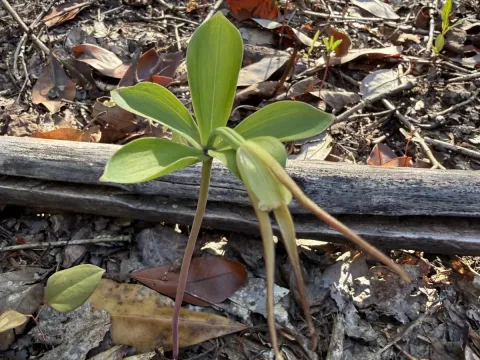
Isotria
Isotria
Isotria is a genus of perennial herbaceous plants belonging to the Orchidaceae family. It is important to note that Isotria is not an agricultural crop and has no commercial value in modern farming systems.
What the section contains


Isotria
The genus is native to North America, where it thrives in deciduous forests. These plants are strictly wild species that require undisturbed habitats with specific soil compositions and moisture levels.
Botanically, these plants are known for their distinct whorl of leaves and a solitary flower. They are characterized by a complex dependency on mycorrhizal fungi for nutrient absorption, making them extremely difficult to cultivate.
The climate requirements for Isotria include cool, moist conditions with high humidity and shade, typical of sheltered forest floors in the eastern United States and Canada.
Agricultural techniques do not exist for this genus because its survival depends on biological interactions that cannot be replicated in a commercial field or garden setting.
The primary threats to Isotria populations include habitat loss due to deforestation, urban development, and land fragmentation which disconnects necessary ecological corridors.
Herbivory by slugs and snails poses a significant risk to the plants, as they frequently consume the succulent leaves and developing buds during the spring season.
Soil-borne pathogens and root rot can quickly infect specimens if the soil drainage is compromised or if the delicate balance of the mycorrhizal network is disturbed.
Climate change and altering rainfall patterns pose severe risks, as even minor variations in soil moisture can result in the failure of the plant to emerge or bloom during the season.
Invasive plant species often outcompete Isotria, depriving it of the necessary light, nutrients, and space required for its slow and complex growth cycle.