
Paphiopedilum
Paphiopedilum Pfitzer
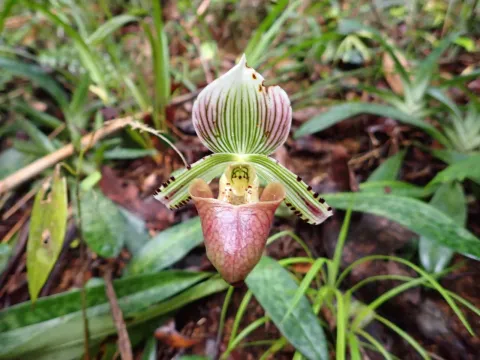
Paphiopedilum, commonly known as the slipper orchid, belongs to the Orchidaceae family. These plants are native to the tropical regions of Southeast Asia, ranging from India and Southern China to the Philippines and New Guinea.
What the section contains

Paphiopedilum
Botanically, these are sympodial orchids that do not produce pseudobulbs. Instead, they rely on their thick, often mottled leaves for moisture storage, forming a distinct basal rosette structure.
The climate requirements for this genus emphasize moderate temperatures. While some species prefer warmer conditions, most thrive when day temperatures remain between 20°C and 25°C, with cooler nights to stimulate flowering.
Proper substrate composition is critical for drainage and aeration. A mix of fine-to-medium grade fir bark, horticultural charcoal, perlite, and calcium supplements like dolomite lime is typically used to maintain the correct pH levels.
Light intensity should be low to moderate. As shade-loving plants, they require protection from direct sunlight, which can easily scorch the leaves and cause physiological stress, leading to poor vegetative growth.
Common pests include spider mites and mealybugs, which thrive in low-humidity environments. Integrated pest management using insecticidal soaps and biological controls is recommended for sustainable greenhouse maintenance.
Bacterial leaf spot and root rot are the primary threats. These diseases are often triggered by water collecting in the leaf axils or stagnant moisture at the roots, necessitating strict watering schedules and good ventilation.