
Ornithocephalus
Ornithocephalus
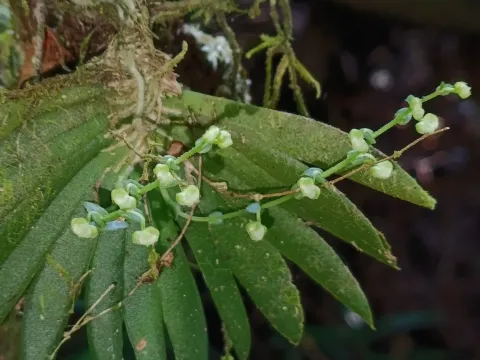
Ornithocephalus is a genus of small epiphytic plants belonging to the Orchidaceae family, native to the tropical regions of Central and South America where they grow on tree trunks.
What the section contains


Ornithocephalus
These plants are recognized for their distinctive fan-shaped leaves, which are arranged in two dense rows, creating a compact and attractive growth pattern for collectors.
Successful cultivation requires high humidity levels consistently above 60 percent, making them ideal candidates for terrariums or humid greenhouse environments.
Ornithocephalus thrives in bright, filtered light and requires a well-draining substrate, such as small bark pieces or mounting on cork bark, to prevent root suffocation.
Temperature management is critical; maintaining a moderate environment with a slight drop at night helps the orchid simulate its natural habitat and encourages flowering.
The most common pests affecting Ornithocephalus include spider mites and scale insects, which often thrive in environments with poor air circulation and low humidity.
Root and crown rot are frequent issues caused by improper watering practices, specifically leaving water in the leaf axils or keeping the substrate consistently soggy.
Regular maintenance involves inspecting the foliage for signs of infestation and ensuring the plants dry out slightly between waterings to maintain root health.
If an infestation is detected, immediate treatment with appropriate horticultural oils or systemic insecticides is recommended to prevent the spread to other orchids.
To avoid fungal infections, it is crucial to ensure that the environment has adequate airflow and that water used for irrigation is clean and free of excessive minerals.