
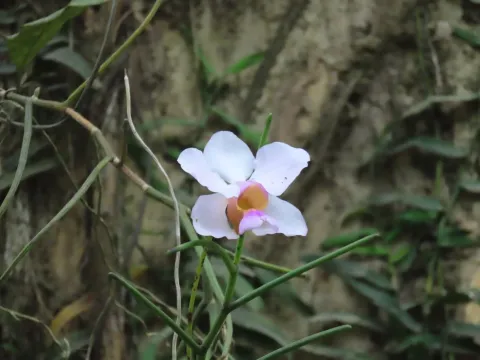
Papilionanthe
Papilionanthe
Papilionanthe is a genus of epiphytic plants belonging to the Orchidaceae family, originating from the tropical regions of Southeast Asia. These orchids are prized for their unique terete (cylindrical) leaves and large, striking flowers, which have significant horticultural value.
What the section contains


Papilionanthe
Successful cultivation of Papilionanthe requires high-intensity light levels, mimicking their natural environment in tree canopies. Without sufficient sunlight, the plants fail to produce inflorescences and become susceptible to physiological disorders, necessitating supplemental lighting in many climates.
The root system of this genus is highly specialized and requires excellent aeration to prevent rot. Therefore, these orchids are typically grown in wooden baskets or attached to mounts, allowing the aerial roots to breathe and dry out rapidly after watering sessions.
Temperature management is critical, as Papilionanthe species are thermophilic plants. They perform best in consistent tropical temperatures ranging from 25°C to 30°C. Prolonged exposure to temperatures below 15°C can cause significant stress or permanent damage to the plant tissue.
Maintaining high relative humidity, ideally between 70% and 85%, is essential for sustaining the metabolic processes of these epiphytes. Growers should utilize misting systems or high-humidity environments to ensure the plants thrive throughout their active growth cycle.
Typical pests affecting Papilionanthe include spider mites and scale insects. These pests often proliferate in environments with inadequate humidity or poor air circulation, necessitating regular monitoring and the application of appropriate horticultural oils or systemic insecticides.
Fungal and bacterial diseases are the most common health issues, primarily caused by water stagnation in leaf axils or excessive substrate moisture. To mitigate these threats, it is crucial to ensure rapid water drainage and promote consistent airflow around the foliage.