
Pecteilis
Pecteilis
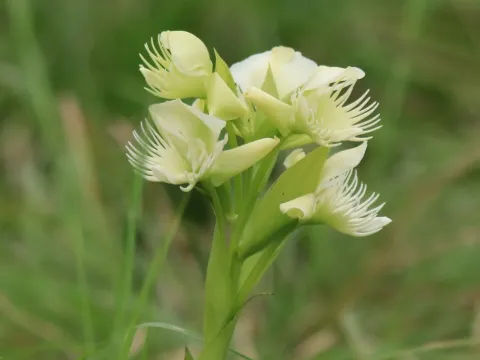
Pecteilis is a genus of tuberous terrestrial orchids belonging to the Orchidaceae family. These plants are primarily native to subtropical and tropical regions of Asia, where they inhabit meadows and woodlands that experience distinct seasonal changes.
What the section contains

Pecteilis
The botanical structure of Pecteilis includes a specialized root system with tubers, which serve as storage organs. These tubers allow the plant to endure dry spells, making the management of the dormant season crucial for successful re-flowering.
Cultivation requires a highly porous and well-draining substrate to prevent tuber rot. A mixture of sphagnum moss, perlite, and fine orchid bark is generally recommended to maintain the necessary balance between moisture retention and aeration.
Light requirements are significant for Pecteilis, as they prefer bright, filtered sunlight. Exposure to harsh, direct sunlight will quickly scorch the foliage, while insufficient light leads to weak, elongated stems and failure to produce flowers.
Humidity levels should be kept relatively high, ideally between 60% and 75%. During the growing season, consistent moisture is essential, but it must be balanced with adequate air circulation to prevent the buildup of stagnant air around the crown of the plant.
Fungal pathogens are the primary threat to the health of Pecteilis, particularly those that cause root and tuber rot. Excessive moisture combined with low temperatures is the most common cause of crop loss in amateur and professional collections.
Pests such as spider mites, aphids, and mealybugs can infest the plant, especially in low-humidity environments. These insects target the delicate new growth and floral spikes, potentially weakening the entire specimen if left untreated.
Viruses represent a significant risk, often manifesting as stunted growth or chlorotic streaks on the leaves. Since there is no cure for viral infections, prevention through the use of sterilized tools and pest control is the only viable management strategy.
Poor ventilation promotes the development of botrytis, which can quickly destroy flower blooms. Regular airflow is required to keep the foliage dry and to discourage the colonization of pathogens in the micro-environment of the growing area.
Integrated pest management (IPM) practices, including regular monitoring and the use of insecticidal soaps when necessary, are recommended. Always ensure that the medium is free from harmful nematodes before planting the tubers to prevent root damage.