
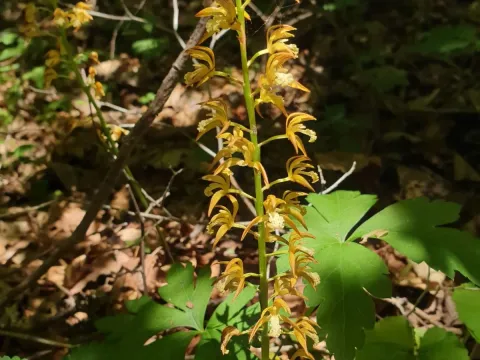
Oreorchis
Oreorchis
Oreorchis is a genus of perennial herbaceous plants belonging to the Orchidaceae family. These plants are native to the temperate regions of Asia, primarily found in Japan, China, and parts of the Russian Far East, growing in forested environments.
What the section contains


Oreorchis
The botanical structure of Oreorchis involves the development of pseudobulbs, which serve as reservoirs for nutrients and moisture. This adaptation allows the plants to sustain themselves through different seasonal changes in the forest floor ecosystem.
Successful cultivation requires selecting a location that mimics their natural habitat: partial to filtered shade. Direct sunlight should be avoided to prevent leaf scorching, making these orchids ideal for placement under garden canopies or trees.
The growing medium must be loose, well-draining, and rich in organic matter. A mixture of forest soil, peat, and coarse sand is usually optimal to ensure that roots receive sufficient aeration while retaining necessary moisture.
Maintaining consistent moisture levels during the growth cycle is crucial for the health of Oreorchis. The gardener should aim for moderate hydration, ensuring that the soil does not become waterlogged, as this is the primary cause of root failure.
The most significant threat to Oreorchis in a garden setting is root rot caused by poor soil drainage and excessive soil moisture, which encourages the growth of harmful fungi and pathogens.
Pests such as slugs and snails represent a notable challenge, as they frequently feed on the soft, emerging foliage of the plant, potentially causing significant aesthetic and physical damage during the wet season.
Spider mites can occasionally infest the plants during prolonged dry and hot weather, leading to discoloration and a decline in the overall vigor of the orchid.
Insufficient air circulation in the garden environment may create favorable conditions for various bacterial or fungal leaf spots, requiring immediate intervention and better spacing of the plants.
To protect the plants, it is recommended to apply preventive measures such as ensuring proper mulch drainage and monitoring the foliage regularly to detect early signs of pest activity or disease.