
Pecteilis susannae
Pecteilis susannae
Description
Sowing dates
Tuber planting is the primary method of propagation, typically initiated in the early spring as the weather warms. Each tuber should be planted with the growing tip facing upward to ensure successful emergence of the new shoot.
When planting, it is crucial to ensure the pot has excellent drainage. Deep containers are unnecessary, as the root system is relatively shallow, but they must prevent water from pooling around the tuber.
Initial irrigation should be light to avoid rot. Once the shoots emerge, regular watering is essential, ensuring that the soil remains moist but not waterlogged, mimicking the natural moisture cycles of the monsoon region.
Fertilization should be applied carefully throughout the growing season. A balanced, water-soluble fertilizer applied at half-strength every two weeks supports healthy foliage development and robust flowering.
When the plant begins to yellow at the end of the season, watering must be gradually reduced. This triggers the plant to store energy in the new tuber, ensuring its survival and growth for the following year.
Growing requirements
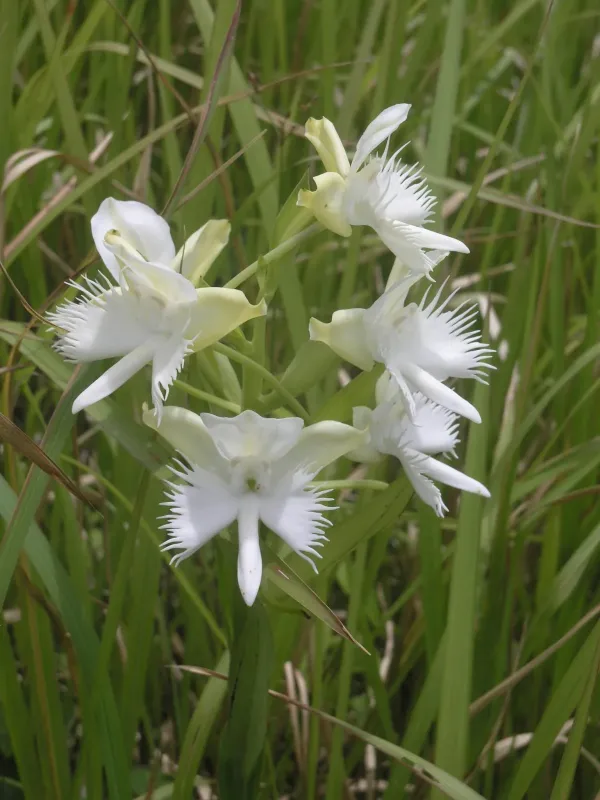
Pecteilis susannae is a tuberous perennial herb belonging to the Orchidaceae family. It is a terrestrial orchid prized for its highly fragrant, large, white, fringed flowers that resemble white egrets in flight, making it a distinctive ornamental plant.
Native to Southeast Asia, including regions like Thailand, India, and China, the species thrives in open meadows and woodland edges. It is adapted to monsoon climates, which dictates its specific physiological cycle of growth and dormancy.
The plant requires high levels of diffused sunlight to maintain compact growth and induce flowering. Placing it in full direct sun for too long can scorch the leaves, while insufficient light leads to spindly and weak stems.
For optimal growth, the substrate must be light, airy, and acidic. A mixture consisting of peat moss, perlite, and granulated charcoal is highly recommended to provide the necessary drainage that prevents tuber rot during the rainy season.
Climate control is paramount; the species prefers warm temperatures ranging from 20 to 28 degrees Celsius. During the winter, the tubers enter a dormant phase and must be kept dry and cool, mimicking the dry season of their natural habitat.
Main diseases and pests
Fungal pathogens, particularly Fusarium and Pythium, are the most frequent threats. These pathogens thrive in poorly aerated or excessively wet soil, causing the tubers to decay before shoots can fully emerge.
Pest management is equally important, with spider mites being the most common issue in indoor or greenhouse settings. Maintaining higher humidity levels and keeping the air circulating helps to deter these pests effectively.
Aphids and mealybugs can target flower buds, causing deformation. Regular monitoring and the application of insecticidal soaps or systemic pesticides are effective strategies for keeping these populations in check.
Bacterial soft rot can occur if water remains stagnant on the leaves. To mitigate this risk, it is recommended to water only the soil and provide good air ventilation to ensure the foliage dries quickly after any accidental wetting.
Integrated pest management, including regular sanitation and removal of debris, is essential for maintaining a healthy Pecteilis susannae crop. Providing proper cultural conditions often prevents most disease outbreaks before they start.