
Mammillaria
Mammillaria Haw.
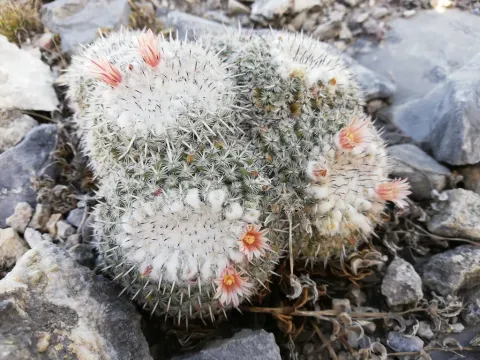
Mammillaria is one of the largest genera in the Cactaceae family, native primarily to Mexico and the southwestern United States. These plants are widely appreciated for their spherical or cylindrical growth and prolific flowering habits.
What the section contains


Mammillaria
Botanically, Mammillaria species are defined by tubercles arranged in spirals on the stem, with flowers usually blooming in a ring around the top of the plant. Unlike many other cacti, they lack ribs, relying on these specialized structures for growth.
The climate requirements for successful growth include intense sunlight and excellent ventilation. During the summer, they thrive in warm conditions, while the winter dormancy period requires dry air and cool temperatures to promote flower production.
For substrate composition, it is essential to provide a highly porous, gritty soil mix. Mineral components like pumice, perlite, and coarse sand should constitute the majority of the mixture to ensure rapid drainage after watering.
Agrotechnical management requires a strict watering regime. During the active growing season, water thoroughly but only when the soil is completely dry. Avoid getting water on the stem, as this can encourage rot in the gaps between tubercles.
The most common pests affecting Mammillaria are mealybugs, which settle in the crevices between the tubercles. These pests feed on the sap and can lead to secondary fungal infections if not controlled promptly with systemic insecticides.
Spider mites are another major threat, especially in low-humidity environments. They cause unsightly yellow or brown scarring on the plant's skin, severely affecting the overall health and aesthetics of the cactus.
Root rot is the most devastating disease, typically caused by overwatering or poor drainage. Once the roots are compromised, the infection can spread to the stem, causing the cactus to collapse within a few days.
Preventative measures include regular inspection of the crown and root zone, as well as strict quarantine protocols for new plants. Keeping the plant dry during cold weather is the best prevention against fungal outbreaks.
In case of pest infestation, utilize specific contact or systemic chemicals, following the instructions for dosage. Ensure the plant is placed in a well-ventilated area after treatment to avoid moisture accumulation on the surface.