
Mammillaria humboldtii
Mammillaria humboldtii C. Ehrenb.
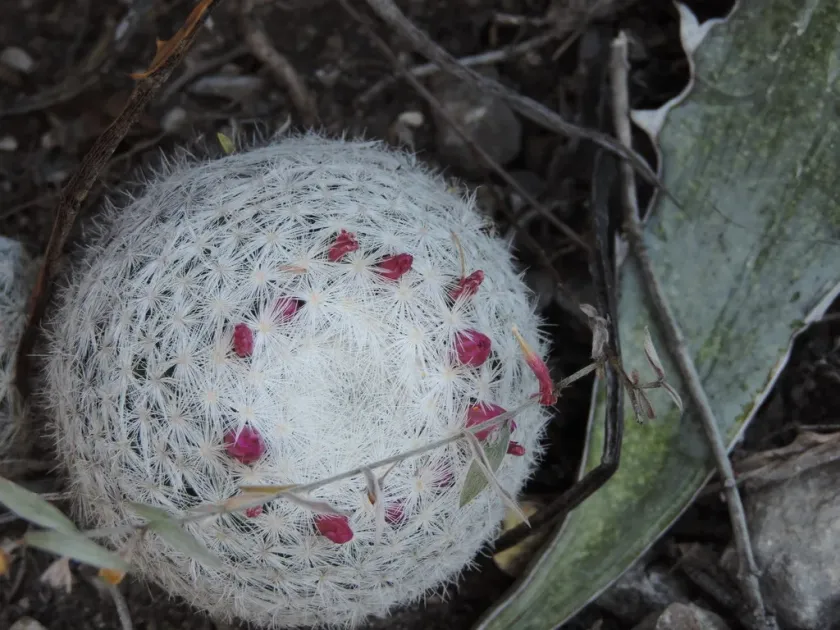
Description
Sowing dates
Sowing seeds of Mammillaria humboldtii should take place in early spring, when the increasing light intensity encourages germination. The ideal temperature range for successful sowing is 22–26 degrees Celsius.
A sterile, well-draining mineral-based substrate is essential for seed germination. Avoid adding organic fertilizers at the early seedling stage to prevent fungal infections and rapid, weak growth.
Place the seeds on the surface of the moist soil and do not cover them with a thick layer of substrate. Keep the container covered with a transparent lid to maintain humidity until the first cotyledons emerge.
Once germination begins, provide bright indirect light. Gradually increase air ventilation to prevent damping-off, which is a major risk for young cactus seedlings in high-humidity environments.
Seedlings remain sensitive for their first year. Transplanting them to individual small pots should only occur when they are large enough to handle without damaging their delicate root structures.
Growing requirements
Mammillaria humboldtii is a member of the Cactaceae family, native to the Hidalgo region in Mexico. It is characterized by its small, spherical body entirely obscured by dense, white radial spines.
This species thrives in high-altitude environments, requiring a very gritty, limestone-rich soil mix with excellent drainage. In cultivation, it is best grown in shallow pots to prevent water logging.
Light requirements are very high; the plant needs several hours of direct morning or filtered afternoon sunlight to maintain its compact, snow-white appearance and to encourage flowering.
Watering must be strictly regulated. During the growing season, water only when the substrate has dried out completely. In winter, maintain a dry and cool state, around 5–10 degrees Celsius, to induce dormancy.
Fertilization should be limited to the growing period using a low-nitrogen, high-potassium cactus fertilizer diluted to half strength. Excessive nutrition leads to unnatural, elongated growth.
Main diseases and pests
The most significant threat to Mammillaria humboldtii is root rot, resulting from stagnant moisture or insufficient drainage. This condition is often irreversible once it reaches the main body of the plant.
Mealybugs are a common pest problem. These insects reside deep within the dense spine network, making them difficult to detect and treat without specialized systemic insecticides.
Spider mites can also become a problem in hot, dry, and stagnant environments. They suck fluids from the epidermis, causing visible discolored patches and reducing the plant's natural vigor.
To keep the plant healthy, ensure constant airflow around the cactus body. This helps dry the surface moisture quickly and inhibits the proliferation of pests and fungal spores.
- Use inorganic substrates to reduce the risk of pathogens.
- Apply preventative fungicide treatments during humid seasons.
- Inspect the plant base regularly for signs of tissue softening.
- Avoid overhead watering to keep spines and body dry.
- Use systemic insecticides for long-term pest control.