
Mammillaria elongata
Mammillaria elongata DC.
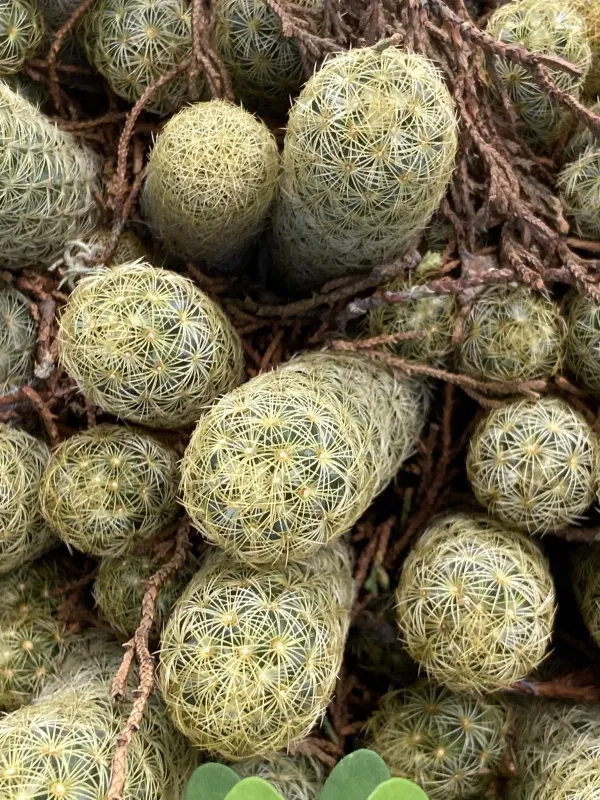
Description
Sowing dates
Mammillaria elongata belongs to the Cactaceae family and is widely recognized for its clustering growth habit. Commercially, it is often propagated by offsets, which are small side shoots that can be easily removed and rooted in dry, gritty soil.
Seed propagation is also possible, usually performed in early spring. Seeds require a fine-textured, sterile substrate and a consistent temperature of around +22-25°C to germinate successfully within two to three weeks.
Sowing requires careful moisture management. Covering the container with a clear lid ensures high humidity during the initial germination phase, which is vital for the survival of the fragile seedlings.
As the seedlings grow, it is essential to increase ventilation gradually to prevent damping-off diseases. Once they develop their first characteristic spines, they can be acclimated to lower humidity environments.
Transplanting the young cacti to individual pots should be done when the root system is well-established, ensuring the use of a well-draining cactus-specific soil mix.
Growing requirements
This species is native to central Mexico and thrives under bright, direct sunlight. Insufficient light exposure leads to etiolation, where the plant stems become pale, thin, and unnaturally elongated, losing their structural integrity.
The substrate must be highly porous. A blend of coarse sand, perlite, and a small amount of organic potting soil works best. Excellent drainage is non-negotiable to prevent root rot, which is the primary cause of plant loss.
Watering should follow the 'soak and dry' method during the active growing season. It is critical to ensure that the soil dries out completely between watering sessions to mimic the natural arid habitat of the plant.
During winter, the plants require a cool rest period at temperatures around +10-12°C. During this dormancy, irrigation should be withheld almost entirely to encourage healthy flowering in the following season.
Fertilization should be limited to the growing season, using a balanced fertilizer formulated for cacti, diluted to half-strength to prevent over-salinization of the substrate.
Yield
In a nursery setting, productivity is measured by the number of high-quality, offset-bearing plants produced per square meter. Efficient propagation techniques can lead to rapid multiplication of the stock.
The aesthetic quality, which determines market value, depends on the density of spines and the symmetry of the plant's cluster. Proper spacing and light management are key factors in achieving high-quality plants.
Plants raised under optimal light conditions exhibit the most vibrant spine colors, ranging from creamy white to golden yellow or deep brown, which makes them highly desirable for commercial buyers.
Annual growth rates are moderate, but by utilizing greenhouse environments with supplemental lighting, nurseries can shorten the cycle from offset to marketable plant significantly.
Consistency in cultivation practices ensures that the resulting plants are resilient, well-rooted, and ready for retail, minimizing losses due to developmental irregularities.
Main diseases and pests
Common pests include mealybugs, which tend to hide in the axils of the tubercles. Their presence is indicated by white, cotton-like masses, which can be treated with isopropyl alcohol or appropriate systemic insecticides.
Spider mites are another threat, particularly in hot and dry conditions. They damage the epidermis, causing unsightly discoloration and stunted growth, which reduces the ornamental value of the plant.
Fungal rots are the most serious disease risk, almost always linked to overwatering or poor ventilation. If rot is detected, it is often necessary to cut off the healthy parts and re-root them to save the specimen.
Preventative measures include regular inspection, maintaining good airflow, and ensuring that no water remains on the stem surface, especially during lower temperature periods.
- Regular monitoring for pest infestations;
- Maintaining dry winter conditions;
- Using sterilized equipment;
- Proper ventilation management;
- Immediate quarantine of affected plants.