
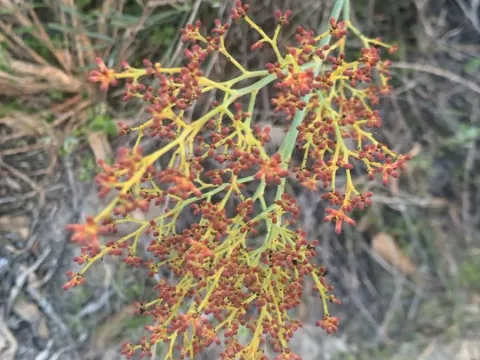
Stirlingia
Stirlingia
Stirlingia is a genus of evergreen perennials belonging to the Proteaceae family. Native exclusively to the southwestern regions of Western Australia, these plants have evolved to thrive in harsh, nutrient-poor environmental conditions.
What the section contains


Stirlingia
Botanically, Stirlingia is recognized by its distinctive, finely divided foliage and compact, globose inflorescences. These structures are highly specialized to withstand arid periods, making the plant an intriguing subject for study and cultivation.
For successful cultivation, Stirlingia requires sandy, well-draining soils with very low phosphorus levels. The species is highly adapted to nutrient-deficient soils, and the application of standard fertilizers can cause toxic reactions within the plant tissues.
Environmental requirements prioritize high light intensity and excellent air circulation. The species is susceptible to root rot if the soil moisture levels are consistently high, necessitating a professional approach to substrate preparation and drainage systems.
In terms of economic usage, Stirlingia is highly sought after in the floral industry. Its architectural dry stems and durable flower heads make it a premium ingredient for dried floral arrangements and interior design décor.
The primary threat to Stirlingia health is root-infecting pathogens, particularly those triggered by waterlogging. Fungal infections like Phytophthora are catastrophic for the plant and underscore the importance of precise irrigation control.
Pests that may impact Stirlingia include scale insects and mealybugs, which exploit the plant's dense stems. Integrated pest management, focusing on early detection and physical removal, is the most effective way to manage these populations.
Soil chemical imbalances often manifest as leaf chlorosis, which significantly reduces the aesthetic and commercial value of the crop. Maintaining a specific, slightly acidic pH range is essential for the healthy physiological function of the plant.
Cultural stress, such as improper pruning or environmental instability, increases susceptibility to secondary diseases. Maintaining vigor through moderate organic mulching helps shield the roots from extreme temperature fluctuations.
Sanitation is a vital component of Stirlingia crop management. Removing spent inflorescences and thinning out older growth prevents the accumulation of pathogen-harboring debris, ensuring the long-term health of the plantation.