
Stirlingia latifolia
Stirlingia latifolia
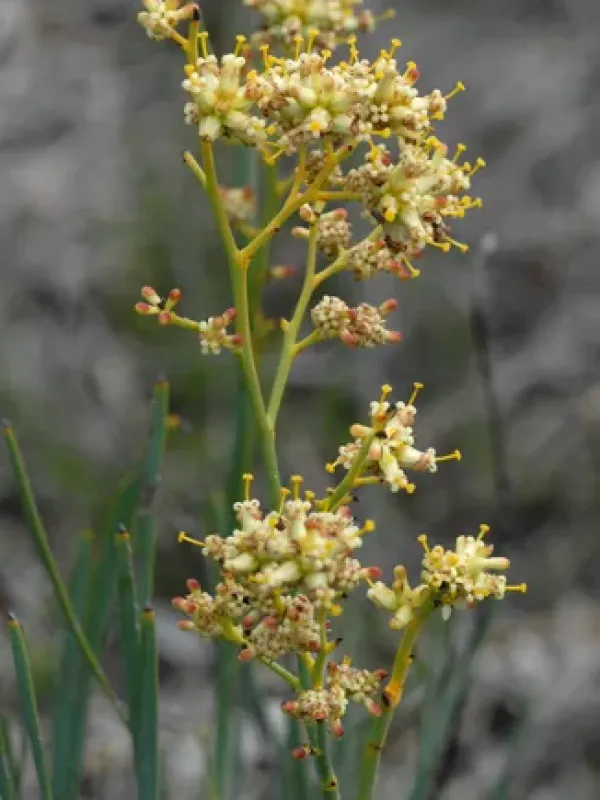
Description
Growing requirements
Stirlingia latifolia, commonly known as the blueboy, is a perennial shrub belonging to the Proteaceae family. Native to the sandy regions of Western Australia, this plant is well-adapted to environments with nutrient-poor soils.
Cultivation of this species requires well-drained, sandy, or loamy soil. It is essential to ensure that the site has excellent drainage, as the plant's roots are highly susceptible to rot when exposed to excessive moisture or waterlogging.
The plant thrives in full sun, which is necessary for healthy vegetative growth and the development of its distinctive inflorescences. Providing adequate light is crucial for maintaining the plant's structural integrity and decorative appeal.
Agricultural management should be minimal, especially regarding fertilization. The species is highly sensitive to phosphorus; therefore, standard fertilizers should be strictly avoided to prevent root system damage and eventual plant decline.
In commercial terms, Stirlingia latifolia is primarily valued in the floriculture industry. Its unique flower heads are highly prized for dried floral arrangements, retaining their structural beauty for a long time after harvesting.
Main diseases and pests
The primary threat to the species is root rot caused by Phytophthora species. This soil-borne pathogen thrives in wet conditions, making proper soil drainage the most important preventive measure.
Pests such as mealybugs and aphids can infest the younger, tender parts of the plant. If left untreated, these infestations can lead to stunted growth and reduced ornamental value of the foliage.
High humidity and poor air circulation in greenhouse environments may trigger fungal infections, such as gray mold. Maintaining an airy and dry microclimate is essential for healthy plant development.
Physiological stress caused by an improper pH balance or high salt levels in the soil can result in chlorosis. Ensuring the substrate remains slightly acidic and free of excess mineral salts is vital for plant vigor.
Regular inspections of the foliage and root zone help in the early detection of issues. A balanced approach to irrigation, avoiding overhead watering, significantly reduces the pressure from most potential threats.