
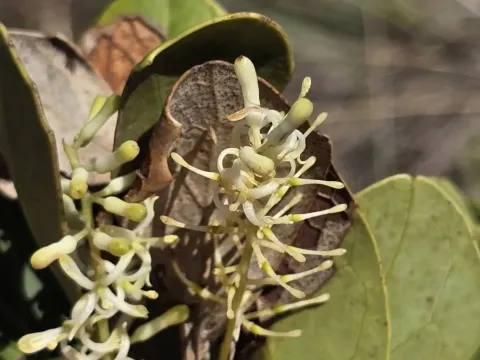
Roupala
Roupala
Roupala is a genus of woody plants belonging to the Proteaceae family. Most species within this genus are native to the tropical and subtropical regions of Central and South America.
What the section contains


Roupala
The plants are typically evergreen trees or large shrubs. Botanically, they are characterized by leathery, often stiff leaves that can change shape significantly as the plant matures, and raceme inflorescences with small bisexual flowers.
The culture requires a stable, warm climate without severe frost to thrive. Optimal growing conditions include high ambient humidity and excellent air circulation to prevent moisture-related issues.
Roupala prefers well-drained soils with a slightly acidic to neutral pH. It does not tolerate heavy, clay-rich soils that retain excess water, as these conditions often lead to root suffocation and decay.
In terms of agricultural and commercial use, certain Roupala species are valued for their durable wood with an attractive grain, often utilized in cabinetry or specialized woodworking. Furthermore, they are frequently used in tropical landscaping.
The primary threats to Roupala species are fungal diseases, which are usually triggered by excessive soil moisture or poor airflow around the foliage.
Root rot is considered the most critical pathology, capable of killing mature trees quickly if drainage is not properly managed in the planting area.
Pests such as scale insects and mealybugs frequently infest the young shoots and leaves, extracting nutrients and stunting the overall growth of the plant.
To mitigate pest damage, regular monitoring is essential, and systemic insecticides should be applied as soon as the first signs of infestation are identified.
Disease prevention strategies include maintaining adequate spacing between trees, selecting sites with sufficient sunlight, and promptly pruning any dead or diseased branches to promote vigor.