
Roupala montana
Roupala montana
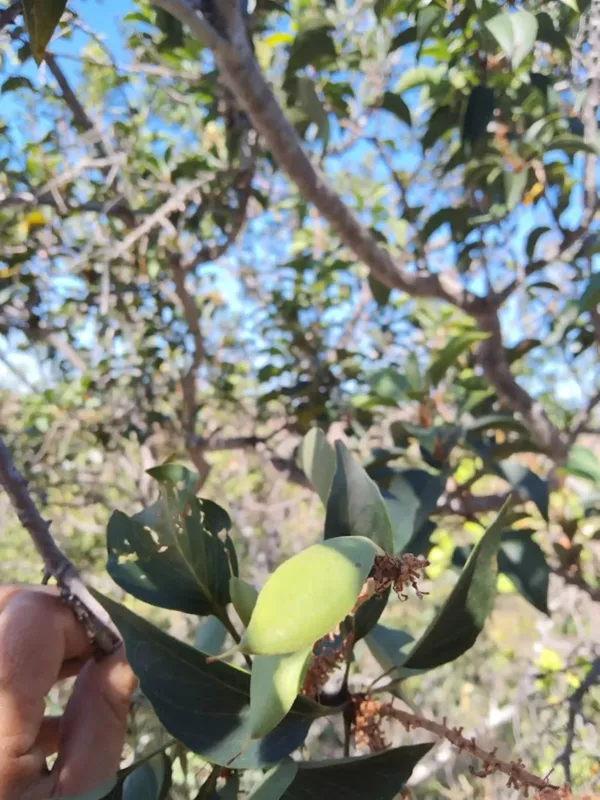
Description
Growing requirements
Roupala montana is a perennial tree species belonging to the Proteaceae family. It is native to the tropical landscapes of Central and South America, where it thrives as a significant component of forest ecosystems.
The cultivation of this species requires well-drained, slightly acidic soils. It is adaptable to various soil types, but the primary requirement is avoiding waterlogged conditions, which are detrimental to the root system and can lead to immediate plant stress.
Climate requirements include consistently warm temperatures without the risk of frost. The plant flourishes in environments with high humidity and significant sun exposure, although young specimens benefit from mild shade until they reach a more resilient stage of maturity.
Agronomic practices for Roupala montana focus on thinning and space management to ensure optimal airflow within the canopy. Due to its slow growth rate, long-term planning is essential to manage the plantation cycles effectively for timber production.
Economically, the species is valued for its dense, high-quality wood, which is often used for fine carpentry and interior decorative elements. Furthermore, it plays an important role in reforestation efforts within its native tropical habitat.
Main diseases and pests
The primary threats to Roupala montana include fungal pathogens, particularly root rot, which typically occurs if soil drainage is compromised. Preventive measures involve site selection with high soil permeability and controlled irrigation.
Pest pressure from various tropical insects, such as defoliators and wood-boring beetles, can affect the vitality of the trees. Integrated pest management strategies are often implemented to monitor and control potential infestations before they escalate.
Invasive weed competition is a major challenge during the early stages of establishment. Regular manual or mechanical weeding is necessary to ensure that the trees do not experience nutrient deficiency during their critical growth phases.
Mechanical damage caused by local wildlife or human activity can invite secondary infections, affecting the structural integrity of the wood. Protective fencing or biological barriers are used to minimize external physical impacts.
Nutrient deficiencies may occur if the soil is not properly enriched over the years. Periodic soil testing and the application of balanced organic fertilizers ensure the continued growth and long-term viability of the plantation.