
Roupala pallida
Roupala pallida
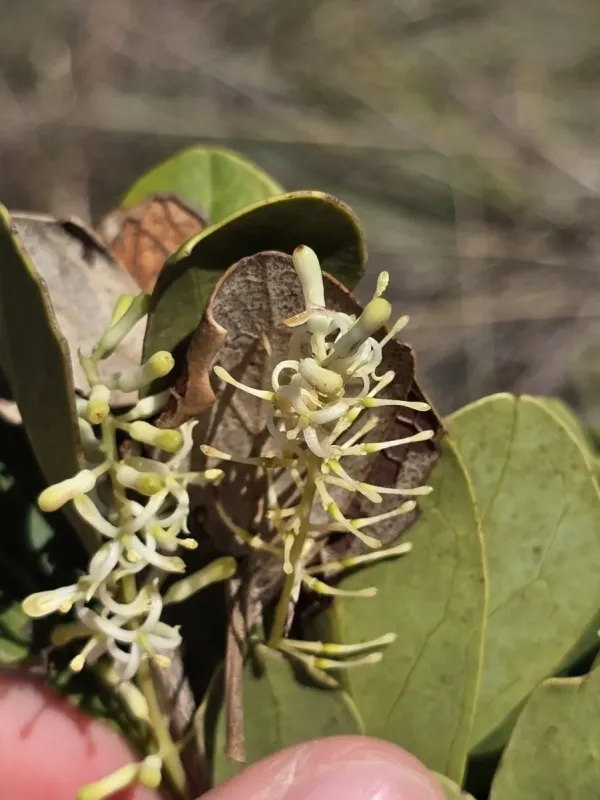
Description
Growing requirements
Roupala pallida is a notable tree species belonging to the Proteaceae family. It is naturally distributed throughout various tropical regions of Central and South America, thriving in diverse forest ecosystems.
The cultivation requirements for this species focus primarily on well-draining soil profiles. Being a tropical plant, it necessitates a warm, humid environment to reach its full growth potential and maturity.
Botanically, the species is characterized by its resilient wood structure, which has historically been a significant resource for local timber production. It adapts well to moderate sunlight exposure, though it performs best in regions with consistent precipitation.
Regarding soil, it prefers acidic to neutral pH levels and requires substrates rich in organic content to support its long-term development. Ensuring proper nutrient cycling is crucial for plantations aimed at timber production.
The primary economic utility of Roupala pallida lies in its wood, which is utilized for construction, high-quality joinery, and artisanal projects. Its durability makes it a preferred choice for applications where long-term structural integrity is required.