
Protea roupelliae
Protea roupelliae
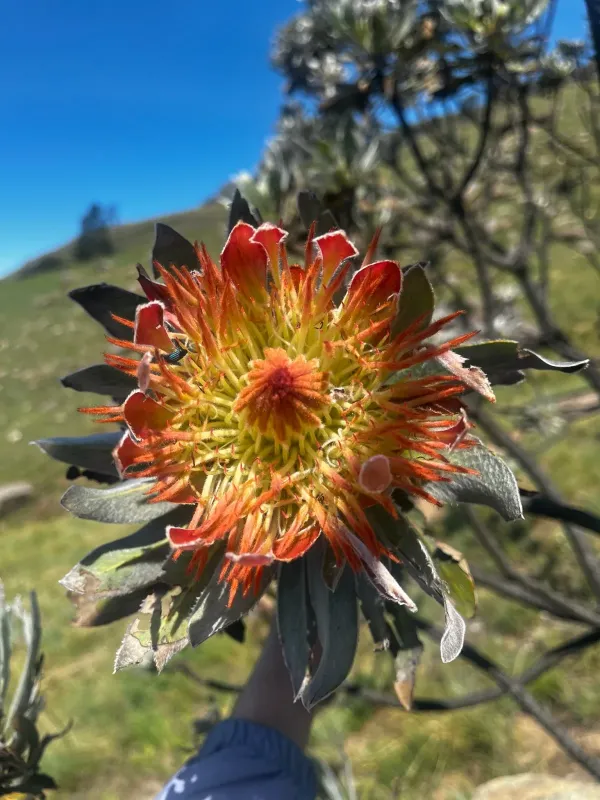
Description
Sowing dates
Propagation of Protea roupelliae is primarily achieved through seed cultivation or vegetative cuttings. Seeds should be sown in a sterile, well-draining medium composed of sand and peat to prevent damping off.
Germination requires a temperature cycle of 20 to 25 degrees Celsius. Because of the plant's natural adaptation to periodic wildfires in the wild, smoke-based treatments or specific germination stimulants are often used to improve seedling uniformity.
Vegetative propagation via semi-hardwood cuttings is the preferred method for maintaining genetic consistency. Cuttings should be taken from vigorous, disease-free stems during the late summer months.
Young seedlings or rooted cuttings require careful handling, as the root system of Protea species is exceptionally sensitive. Direct potting into large containers is often avoided to prevent soil compaction issues.
The transition period from nursery conditions to field or greenhouse growing must be gradual to minimize transplant shock. Consistent light levels are essential throughout the early growth stages to ensure a sturdy plant architecture.
Growing requirements
Protea roupelliae is a member of the Proteaceae family, native to the rugged terrains of Southern Africa. It thrives in soils that are acidic and low in nutrients, specifically phosphorus, which is toxic to its root system.
The plant requires full sun exposure and excellent air circulation to thrive. In a greenhouse environment, maintaining a high light intensity is crucial for the development of the iconic inflorescences.
Soil drainage is the most critical agronomic factor. The root system is prone to proteoid roots, which are highly efficient at nutrient uptake but suffer immediate decline if waterlogged or subjected to poor aeration.
Temperature management should mimic the Mediterranean-like climate of its origin. While it can withstand mild temperature fluctuations, extremes of cold or intense, humid heat should be avoided.
Fertilization must be strictly controlled, as most commercial nitrogen-phosphorus-potassium fertilizers are unsuitable. Dedicated low-phosphorus fertilizers are necessary to support healthy growth without causing chlorosis or root death.
Main diseases and pests
Phytophthora root rot is the most devastating disease affecting Protea roupelliae, often exacerbated by over-irrigation. Strict adherence to irrigation schedules is the primary defense against this pathogen.
Common pests include spider mites and mealybugs, which thrive in stagnant, warm air. Integrated pest management, focusing on biological controls, is preferred to avoid chemical damage to the sensitive leaves.
Nutrient toxicity, particularly phosphorus accumulation, results in leaf scorch and eventual plant death. Monitoring soil chemistry is essential for large-scale production sites.
Wind damage can occur if the plants are not adequately staked in areas exposed to strong gusts. Providing physical support for heavy flowering branches ensures the structural integrity of the plant.
- Routine inspection for early pest detection.
- Use of systemic fungicides only when strictly necessary.
- Sanitization of all irrigation water sources.
Harvesting
Harvesting Protea roupelliae inflorescences requires precise timing to ensure maximum post-harvest longevity. The ideal stage is when the central florets begin to open, exposing the colorful bracts.
Tools used for harvesting must be disinfected between every plant to prevent the spread of soil-borne pathogens. The stem should be cut leaving enough foliage to support the plant's recovery and subsequent bloom cycle.
Post-harvest treatment involves keeping the stems in a cool, shaded area before packing. Maintaining a cold chain is vital for international shipping and long-distance transport of these blooms.
Stems can be stored in water-filled buckets or specialized floral hydration solutions. It is imperative that the water is kept clean and free from bacterial build-up to maintain the integrity of the stem vascular system.
Proper airflow during storage prevents the development of gray mold on the delicate bracts. When packed correctly, the stems maintain their ornamental appeal for several weeks.