
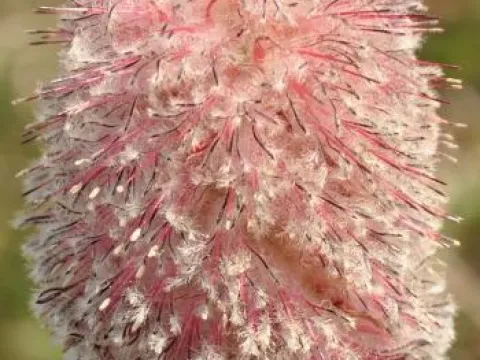
Paranomus
Paranomus
Paranomus is a genus of evergreen shrubs belonging to the Proteaceae family. Native to the Cape region of South Africa, these plants are primarily found in the fynbos biome, where they have evolved to survive in nutrient-poor and acidic soil conditions.
What the section contains


Paranomus
The plant requires full sun exposure to thrive and maintain its structural integrity. It is adapted to Mediterranean-style climates, characterized by wet winters and dry summers, which dictates the specific irrigation requirements for successful cultivation in non-native environments.
A crucial aspect of Paranomus agronomy is the soil composition. The plants are extremely sensitive to phosphorus toxicity; therefore, traditional fertilizers should be avoided. The growing medium must be well-draining, sandy or rocky, and maintain a low pH level to prevent nutrient lockout.
In terms of practical use, Paranomus is valued for its unique foliage and distinct inflorescences. It serves as a significant ornamental species in professional landscaping and is increasingly popular in the floriculture industry due to its aesthetic appeal in floral arrangements.
Propagation is typically achieved through seeds, which often require scarification or specific environmental cues to germinate. Success with cuttings requires professional-grade greenhouses with controlled humidity and highly sterile soil conditions to prevent fungal contamination.
The most severe threat to Paranomus health is root rot, typically caused by pathogens like Phytophthora. These fungi thrive in poorly drained soils or conditions with excessive moisture, often leading to rapid decline if environmental parameters are not strictly managed.
Pest management involves regular monitoring for common sap-sucking insects such as aphids or scale insects. Given the sensitivity of the Proteaceae family to certain chemical substances, integrated pest management (IPM) using mild soaps or biological controls is highly recommended.