
Paranomus spicatus
Paranomus spicatus
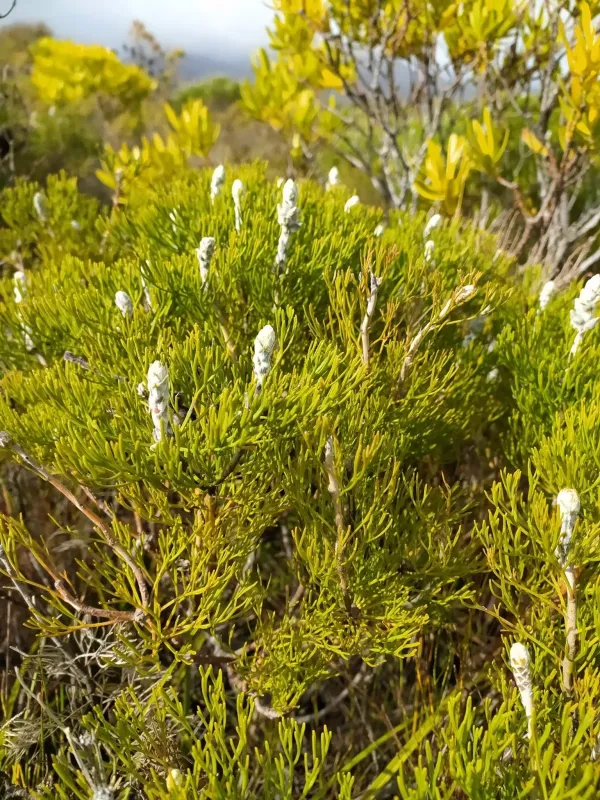
Description
Growing requirements
Paranomus spicatus is a distinct species within the Proteaceae family, native to the Fynbos biome in the Western Cape of South Africa. This evergreen shrub is highly adapted to the nutrient-poor, sandy soils of its native habitat.
The plant is biologically characterized by its unique spicate inflorescences. It has evolved to survive in a fire-prone Mediterranean climate, exhibiting robust growth during the rainy season and dormancy or slow growth during the hot, dry summers.
Cultivation requires specialized care, focusing on providing extremely well-draining, acidic, and low-nutrient substrates. It is essential to avoid soils with high phosphorus content, as the plant is hyper-sensitive to this element.
Temperature management is critical, as the species lacks significant frost tolerance. In non-native regions, it is best grown in controlled greenhouse environments that replicate the light and temperature cycles of the Cape region.
In a horticultural context, Paranomus spicatus is primarily used as an ornamental plant. Its striking appearance makes it a sought-after specimen for botanical collections and a specialized item for high-end floristry markets.
Main diseases and pests
Root rot is the most significant threat to the plant, usually caused by pathogenic fungi thriving in waterlogged conditions. Proper drainage is the most effective preventative measure against such infections.
Insect pests, including mealybugs and spider mites, may infest the foliage if the plant is grown in poorly ventilated conditions. Regular monitoring is necessary to detect these threats before they cause structural damage.
The plant is also susceptible to physiological stress caused by nutrient imbalances. Incorrect pH levels or excessive fertilization can disrupt its symbiotic root relationships, leading to rapid decline.
Botrytis or grey mold may occur if high humidity is combined with stagnant air around the inflorescences, necessitating the use of fans or increased spacing in greenhouses.
To ensure plant health, avoid applying standard garden fertilizers and instead focus on maintaining pristine root zone hygiene and optimal light exposure.