
Paranomus lagopus
Paranomus lagopus
Description
Growing requirements
Paranomus lagopus is a distinct perennial shrub belonging to the Proteaceae family. Native to the Fynbos biome in South Africa, this plant has adapted to nutrient-poor soils and specific microclimates, making it a specialized choice for cultivation.
The plant thrives in well-drained, acidic, and sandy soils. It is particularly intolerant of high phosphorus levels, which can prove toxic to its delicate proteoid roots. Providing a substrate that mimics its natural habitat is the key to successful development.
Regarding climate, this species requires a Mediterranean-like environment with cool, wet winters and warm, dry summers. It is not frost-tolerant and must be grown in greenhouses or conservatories in regions where temperatures fall below freezing.
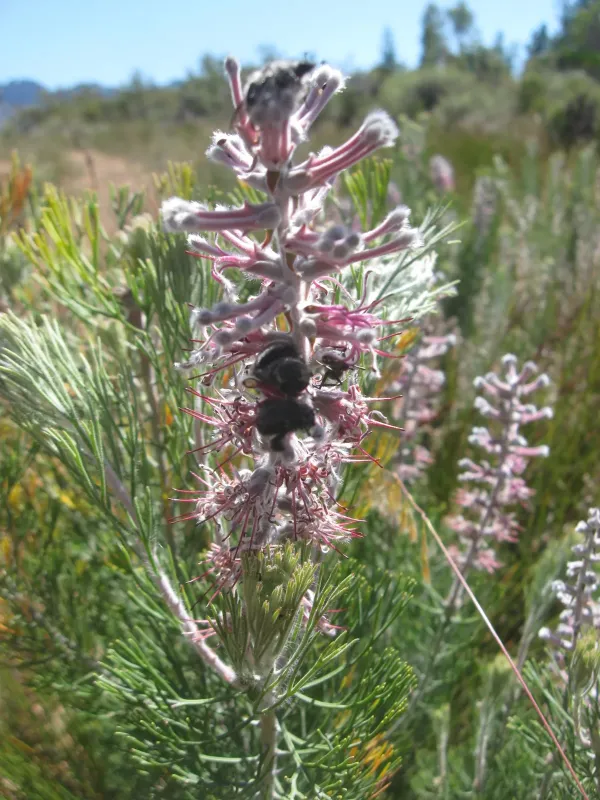
Botanically, Paranomus lagopus is recognized by its fine, pinnate foliage and unique, dense terminal flower spikes. These spikes resemble hare’s feet, a trait reflected in its scientific name, which adds significant ornamental value to botanical collections.
The plant is primarily utilized in ornamental horticulture and as a high-end floriculture product. Due to its unique texture and visual appeal, it is highly sought after by floral designers who specialize in creating arrangements featuring rare and exotic botanicals.
Main diseases and pests
The most significant threat to the health of the plant is root rot, typically caused by Phytophthora species. This often occurs when soil drainage is insufficient or when the plants are grown in heavy, water-retentive mediums.
Common pests associated with this crop in greenhouse conditions include spider mites and mealybugs. Integrated pest management, including regular monitoring and proper ventilation, is essential to protect the foliage and ensure the longevity of the shrub.