
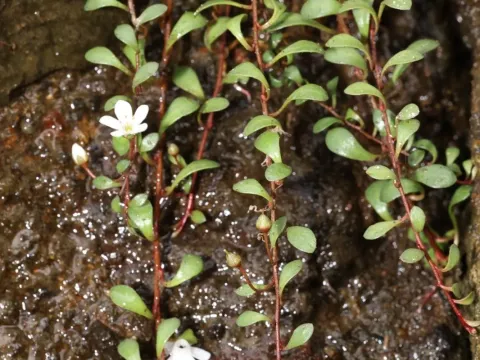
Samolus
Samolus
Samolus, commonly known as brookweed, belongs to the Primulaceae family. This genus includes several species of herbaceous perennial plants that are naturally adapted to thrive in moist or saturated environments, such as marshes, stream banks, and coastal salt marshes.
What the section contains

Samolus
Botanically, Samolus is characterized by a basal rosette of leaves and terminal racemes of small white flowers. The plants possess unique physiological adaptations that allow them to grow in saline conditions, making them versatile for various wetland ecosystem roles.
The plant requires consistently damp or wet soil to maintain its physiological functions. In cultivation, it performs best in soils that are rich in organic matter and have a high moisture-retention capacity, ideally mimicking its native riparian or coastal habitats.
Regarding climate requirements, Samolus favors moderate temperatures and high humidity. While it is tolerant of various light conditions from full sun to partial shade, providing sufficient light is essential for robust growth and regular, healthy flower production.
Its primary use is in ornamental horticulture, specifically for planting in bog gardens, pond margins, and paludariums. Due to its hardiness in wet environments, it serves as an excellent candidate for soft-scape stabilization and aesthetic enhancement of water features.
Root rot is the most common threat to Samolus, usually triggered by poor water circulation in stagnant pond environments. When the substrate lacks sufficient oxygen, the roots become vulnerable to fungal infections that can rapidly kill the entire plant.
In terms of pests, slugs and snails pose a significant threat, particularly to young, tender foliage. These mollusks can cause extensive damage to the plant's rosettes if not managed through proper monitoring or physical barriers in the garden setting.
Foliar diseases, such as mildews or spots, may appear if the plants are crowded together, preventing air movement. Maintaining proper spacing during the initial planting phase is critical to ensure adequate ventilation and prevent the spread of pathogens.
Competition from more aggressive, fast-growing aquatic weeds can suppress Samolus development. Regular weeding and careful maintenance of the surrounding area are necessary to ensure that the culture receives enough nutrients and light to establish itself.
To maintain plant health, it is recommended to monitor the water quality and substrate pH regularly. By creating an environment with dynamic water movement or well-drained but wet soil, growers can prevent most common health issues associated with this species.