
Primula villosa
Primula villosa
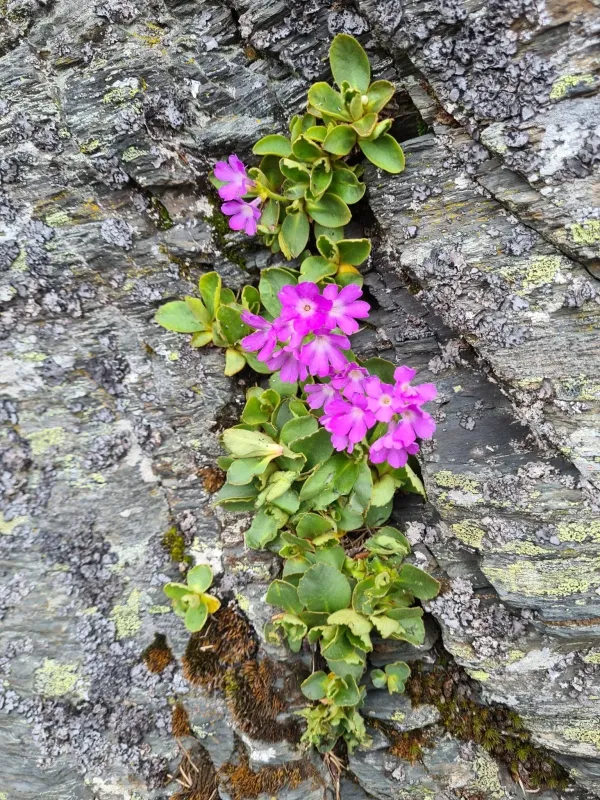
Description
Sowing dates
Primula villosa seeds require a period of cold stratification to break dormancy, making autumn or winter sowing ideal for this species.
When sowing indoors, place the seeds in a damp medium and keep them in a refrigerator for at least four to six weeks before moving to warmer conditions.
The seeds are extremely small and should be surface-sown on a light, well-draining seed-starting mix without being covered by soil.
Consistency in moisture levels is vital during the germination phase, which can take several weeks depending on the temperature fluctuations.
Once true leaves appear, seedlings must be handled carefully and pricked out into small pots to prevent overcrowding and ensure adequate airflow.
Growing requirements
Primula villosa belongs to the Primulaceae family and is native to the mountainous regions of the Alps, thriving in rocky limestone outcrops.
The soil must be gritty, alkaline, and exceptionally well-drained, as the plant is highly susceptible to root rot if left in saturated conditions.
In terms of climate, the species prefers cool, alpine environments and often struggles in areas with intense, humid heat during the summer months.
Positioning the plants in a location that receives partial shade or exposure to morning sun helps maintain the vigor of the basal leaf rosettes.
Maintaining a mineral-rich environment and avoiding heavy organic fertilization is key to keeping the plant in its natural, compact growth habit.
Main diseases and pests
Root and crown rot represent the most significant threat to the longevity of Primula villosa, particularly in poorly drained containers.
Fungal leaf spots may occur if air circulation is insufficient or if the foliage remains wet for extended periods during rainy weather.
Slugs and snails are major pests that can cause significant damage by feeding on the leaves, especially during the early spring growth phase.
Aphids can occasionally infest the flower stalks, leading to stunted growth and potentially transmitting viral diseases to the plant.
Early detection and the removal of decaying leaves are essential cultural practices to prevent the spread of fungal pathogens in a garden setting.
Harvesting
This species is primarily used as a high-value ornamental plant for rock gardens, trough plantings, and specialized alpine landscapes.
Seed harvesting should be conducted carefully when the capsules turn brown but before they split, ensuring maximum genetic diversity in the next generation.
Division of mature clumps is the preferred method for vegetative propagation, which should be performed immediately after the flowering period ends.
Mulching the base of the plant with small stone chippings is highly recommended to protect the neck of the plant from excess soil moisture.
Proper cultivation of this primrose requires patience, as it is a slow-growing perennial that thrives when its specific alpine needs are met.