
Sikkim cowslip
Primula sikkimensis
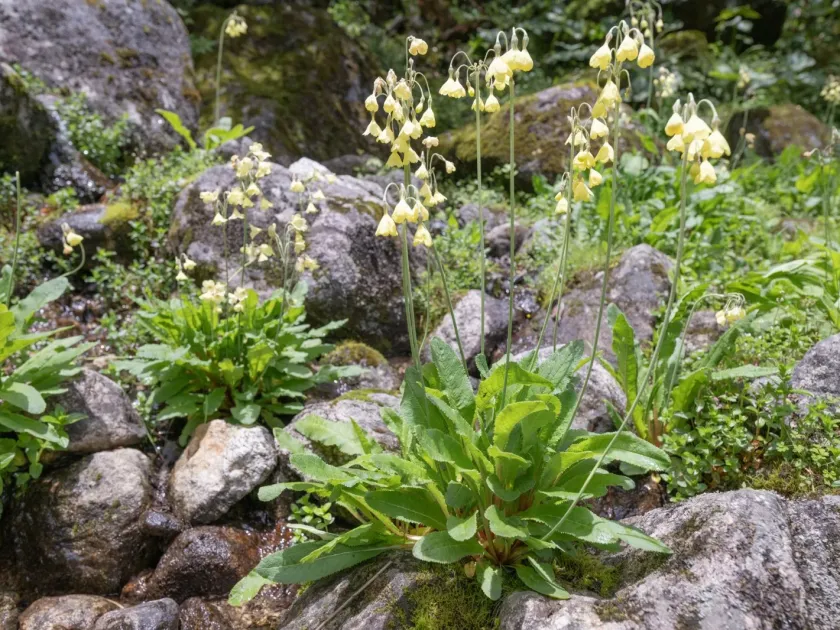
Description
Sowing dates
Sowing Primula sikkimensis seeds is best accomplished in autumn or early winter, as the seeds require a period of cold stratification to break dormancy and ensure high germination rates.
If you prefer spring sowing, the seeds must be chilled in a refrigerator at temperatures between 0 and 4 degrees Celsius for at least six weeks before they are sown in a seed tray.
Seeds should be sown on the surface of a fine, moist potting mix and lightly pressed, as they require light to germinate properly, and they should not be covered with a thick layer of soil.
Maintaining a consistent, cool environment for the seed trays is essential, along with keeping the soil surface constantly moist but not waterlogged during the germination process.
Once the seedlings have reached a manageable size and developed a couple of true leaves, they should be carefully pricked out and transplanted into individual pots to foster root development.
Growing requirements
Native to the Himalayas, the Sikkim cowslip is a member of the Primulaceae family that thrives in cool, moist, and shady conditions typical of mountain meadows and stream banks.
The ideal planting location is in partial shade, shielded from the intense afternoon sun which can scorch the foliage and shorten the plant's lifespan during the heat of summer.
Rich, moisture-retentive, yet well-draining soil is necessary to provide the nutrients required for the plant to produce its characteristic tall, umbel-shaped flower stems.
Consistent watering is crucial throughout the growing season, especially during dry spells, as the plant does not tolerate drought and will wilt rapidly if the soil dries out.
Mulching with organic matter, such as leaf mold or well-rotted compost, helps maintain soil moisture levels and provides a slow release of nutrients throughout the growth cycle.
Main diseases and pests
Slugs and snails are the most persistent pests for Primula sikkimensis, as they are attracted to the succulent foliage and can destroy the plant's appearance overnight during damp weather.
Root rot is a significant concern, typically caused by poor drainage or overwatering, which creates anaerobic conditions that lead to the rapid decline and death of the plant.
Gray mold (Botrytis) may affect the plants if they are grown in overcrowded conditions with insufficient airflow, resulting in fungal growth on the leaves and stalks.
To maintain plant health, it is important to provide sufficient spacing and to monitor the garden closely for any signs of pest activity or disease development.
- Regular inspection of leaves for mollusk damage.
- Improving drainage if the soil becomes compacted.
- Removing yellowing or decaying lower leaves to maintain hygiene.