
Soldanella
Soldanella
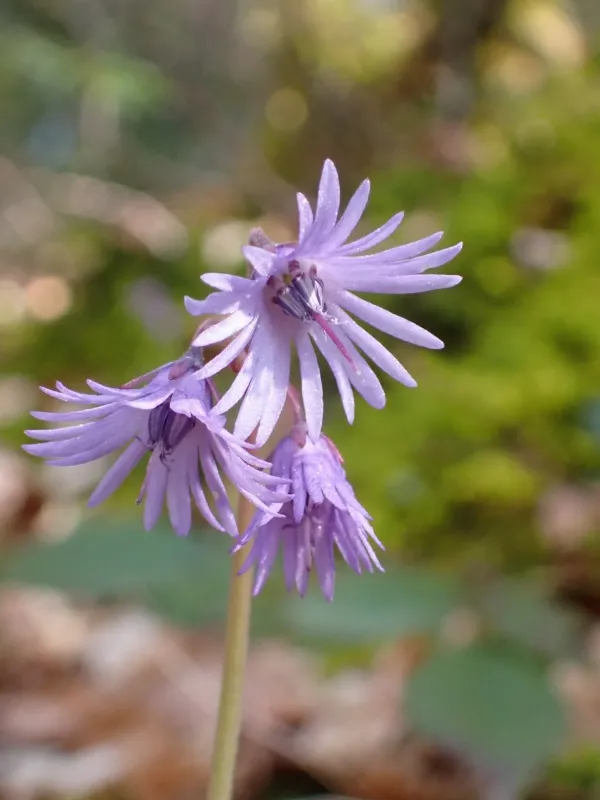
Description
Growing requirements
Soldanella is a genus of perennial herbaceous plants belonging to the Primulaceae family. These plants are native to the mountainous regions of Europe, where they are known for their ability to bloom shortly after the snow melts.
The culture requires a cool and humid environment to thrive. It is best suited for alpine gardens or locations that replicate natural high-altitude conditions, characterized by moderate temperatures and fresh air.
Regarding soil requirements, Soldanella prefers a well-draining, moisture-retentive mix rich in organic matter. A combination of leaf mold, peat, and grit is often used to ensure adequate drainage while maintaining necessary moisture levels.
Placement is crucial for the survival of the plant. A site in partial shade or one that offers protection from harsh afternoon sunlight is recommended to prevent heat stress and desiccation of the delicate foliage.
Agricultural techniques for Soldanella focus on maintaining stable conditions. Regular but careful watering is required, along with gravel mulching, which keeps the root zone cool and prevents crown rot by keeping the foliage away from wet soil.
Main diseases and pests
Root rot is the most common disease affecting Soldanella, primarily caused by waterlogged soil and poor drainage. This condition can be fatal and is difficult to reverse once symptoms appear.
Slugs and snails are major pests that frequently graze on the leaves of the plant. Gardeners should implement protective measures, such as gravel barriers or organic traps, to prevent damage during the growing season.
Spider mites can become a significant issue during hot and dry spells. These pests weaken the plant by sucking sap from the leaves, which can lead to premature leaf drop if not managed correctly.
Nematodes are another potential threat that can affect the root system, causing stunted growth and general decline. Soil sanitation and choosing clean growing media are essential for prevention.
Fungal leaf spots can occur when air circulation is poor or humidity remains excessively high for long periods. Ensuring adequate space between plants and proper light exposure helps mitigate these risks.